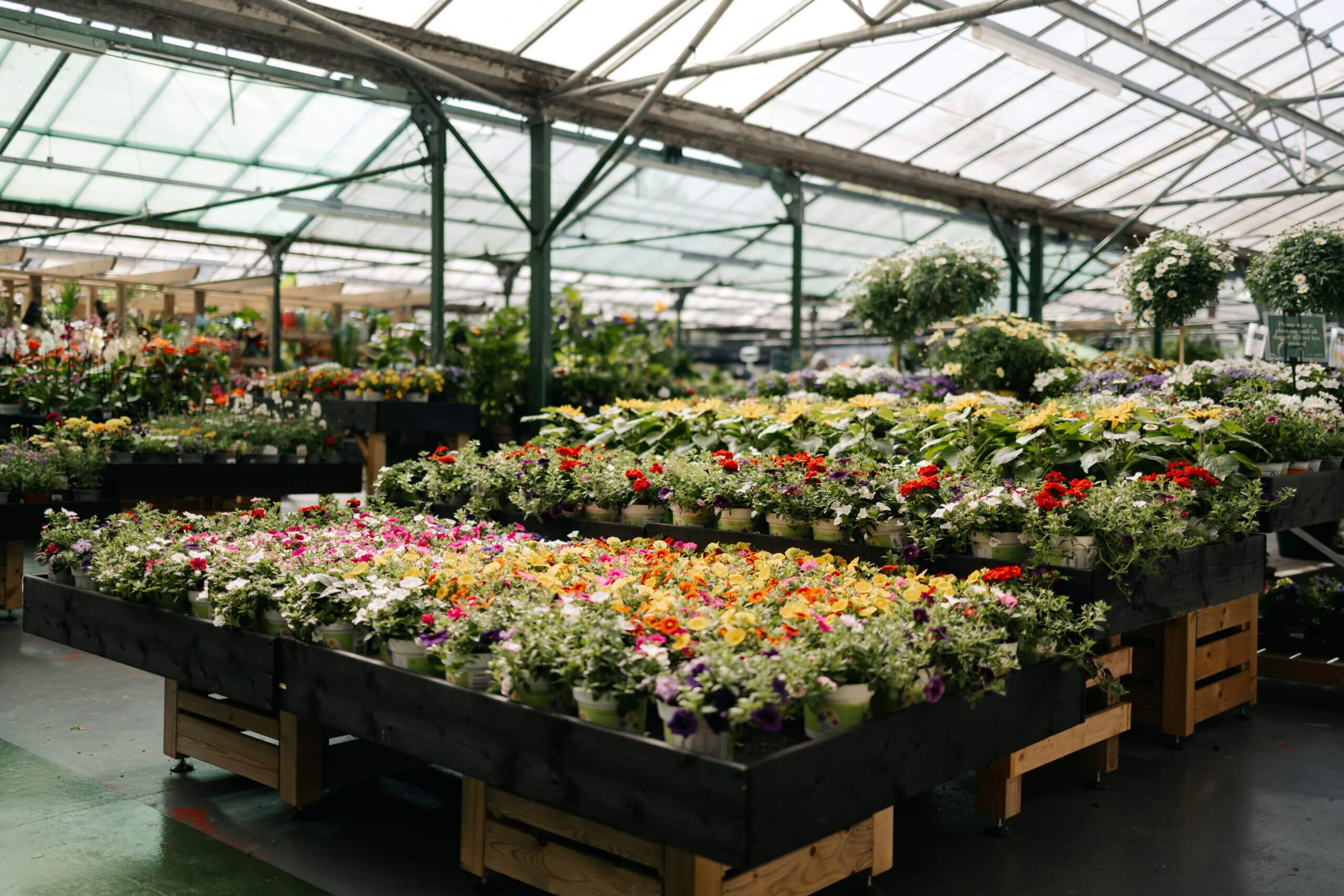


Everything you need to grow, feed, and enjoy your garden this month, whether you have an allotment or a patio.
June in North Devon is when the garden really gets going. Those long evenings, the Exmoor breezes, and, if we’re lucky, a good stretch of sunshine mean it’s genuinely one of the most exciting months to be outside with your hands in the soil.
All those seeds you sowed back in spring? They’re starting to pay off. The hard work is done and now it’s about keeping the momentum going, making sure everything’s fed and supported, and sneaking in a few more sowings before the summer gets properly underway. Whether you’ve got a window box or half an acre, there’s plenty on this month’s to-do list.
What to plant in the ground in June
Don’t let anyone tell you June is too late to be sowing. There’s still lots you can get going, and because we’re past the last frost here in North Devon, you can plant straight out without worrying about hardening off.
Small Space or Container Garden
Salad leaves, herbs, dwarf French beans, and courgettes all do brilliantly in pots. One or two containers can keep you in salad all summer.
Bedding plants make a huge impact at this time of year and are readily available in garden centres. You’ll also find lots of small, potted plants for hanging baskets – or pre-made hanging baskets available, which are fantastic for making the most of vertical growing space.
Bigger Garden or Allotment
Now’s a great time for a second sowing of French beans, beetroot, chard, and kale. Direct sow where you want them to grow and you’ll be harvesting before you know it.
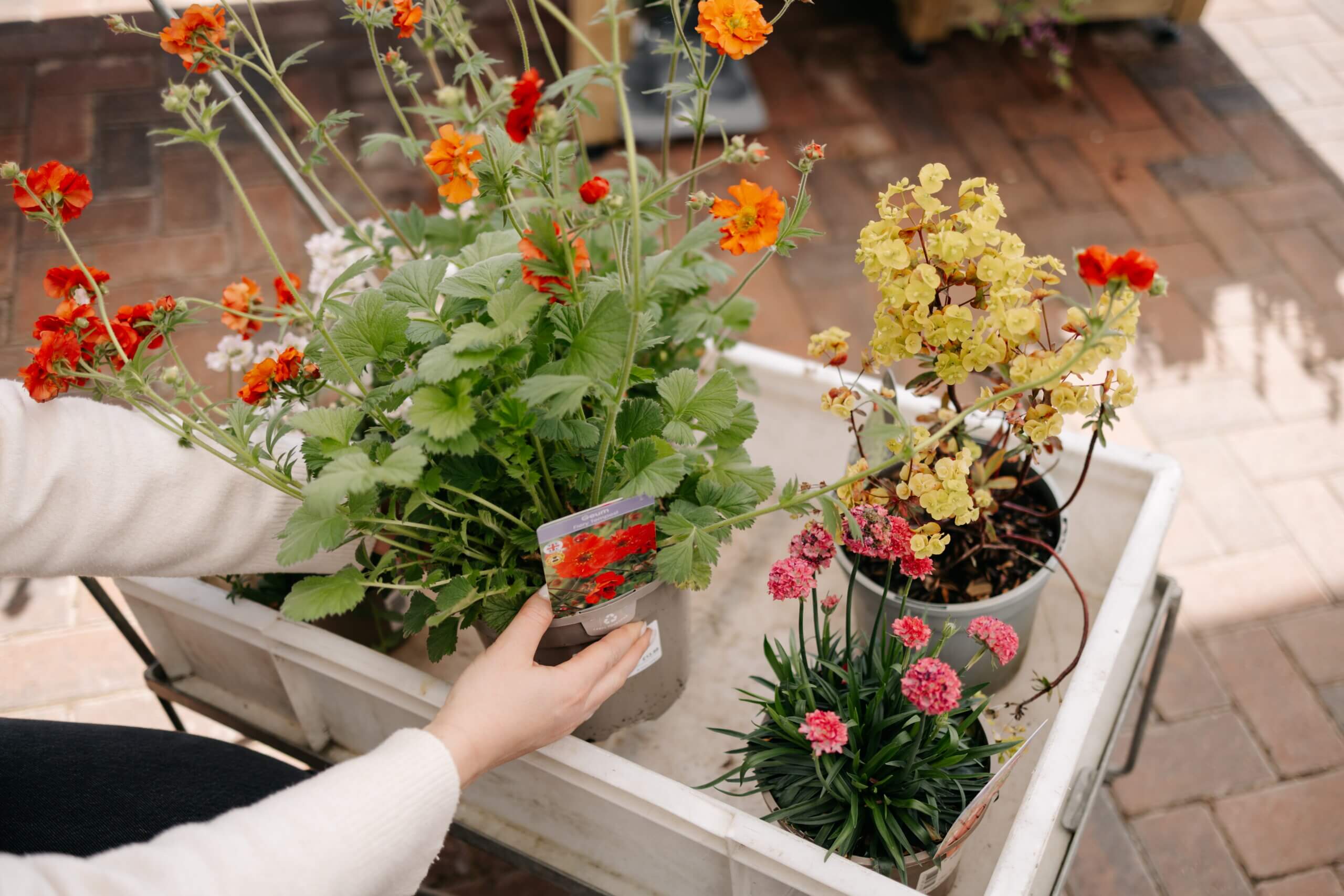
In terms of plants, plants that have been hardened off can go into the ground: dahlias, sunflowers, cosmos, zinnias. And, it’s a great opportunity to plant perennials before the summer season kicks off.
Cut-and-come-again salads
These are one of the best things you can grow in June. Sow them once and you’ll be harvesting for weeks. The trick is to only snip what you need, leaving the plant to keep producing. Scatter seed in a pot or a spare patch, water well, and come back in a fortnight. Job done.
AVAILABLE IN STORE: Salad & herb seeds, wildflower seed mixes, potted perennials such as dahlias, lupins and geums – ask the team for what’s cropping up well locally this season.
Ornamental Garden Jobs for June
June is when the borders really start to show off. Roses are hitting their peak, sweet peas are scrambling upwards, and dahlias are building up steam. This is the month to start a deadheading routine that’ll carry you all the way through to autumn.
Deadheading: start now, keep going
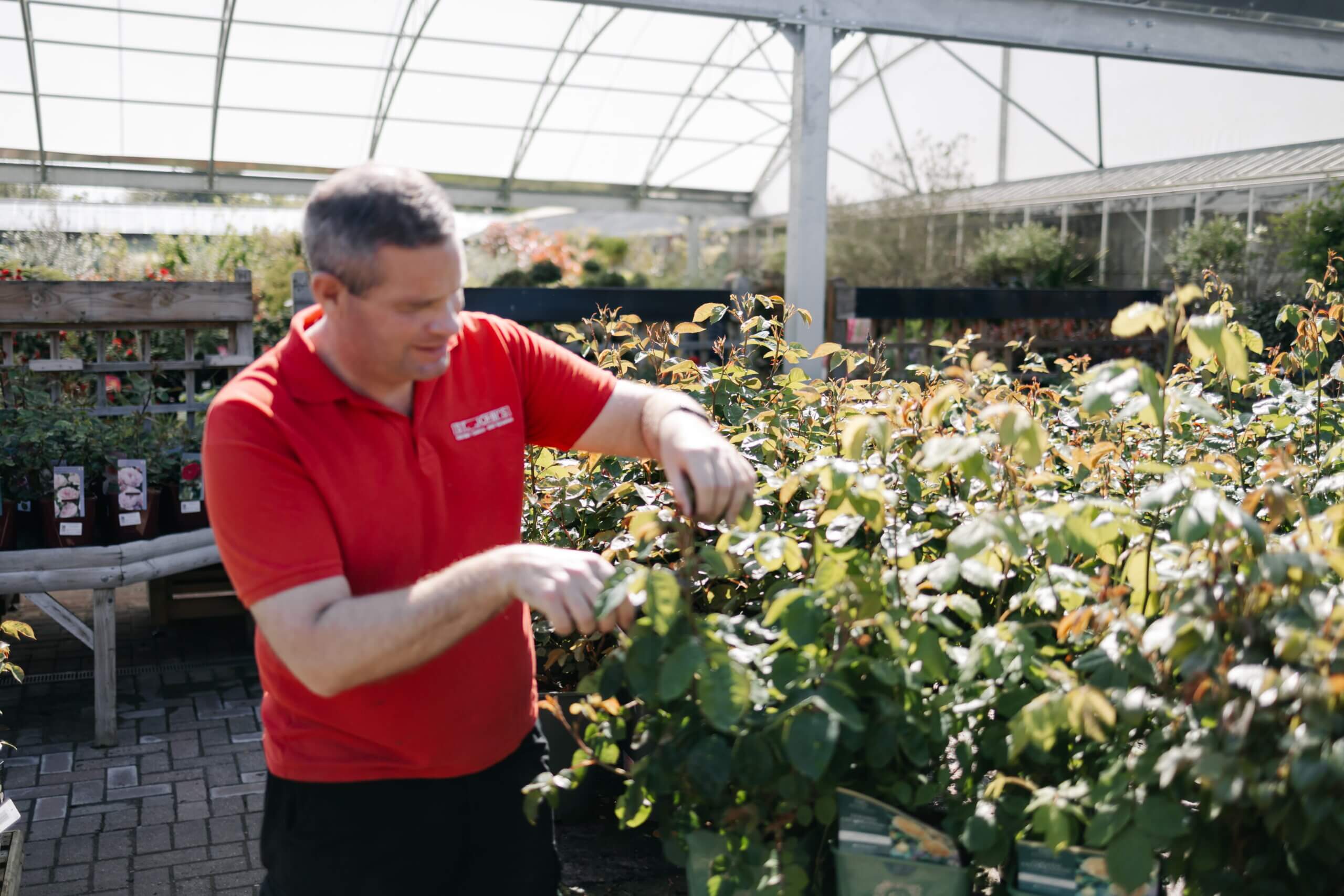
It only takes a few minutes, but snipping off spent blooms makes a real difference. It tells the plant to keep flowering rather than putting energy into making seeds. Do it every week or two and your beds will look better for longer. You’ll want a decent pair of secateurs for this as blunt ones do more harm than good.
AVAILABLE IN STORE: Secateurs, garden scissors — we stock a range to suit all hands and budgets
Feeding flowers
Once your plants are in full flower, they’re working hard and they need feeding to match. A liquid tomato feed (yes, really – it works for all flowering plants, not just tomatoes) every week or two will keep the blooms coming. For roses, a specific rose feed works best – make sure you look for one with a higher potassium content.
AVAILABLE IN STORE: Liquid plant food, rose feed, general flower fertiliser – ask us which suits your plants best
Supporting tall plants
Dahlias, delphiniums, and tall gladioli can all get top-heavy as they grow, especially when we get the blustery weather North Devon’s known for. Get your supports in now before they’re needed so stems can grow naturally through them rather than being tied up in a hurry after a windy night.
AVAILABLE IN STORE: Garden stakes, plant supports, wigwams, canes & soft ties – various heights in stock
Allotment & Veg Patch Jobs for June
The veg patch in June is a satisfying place to be. Your broad beans are bulking up, early potatoes might be nearly ready, and the courgettes are about to go absolutely wild.
Feeding your fruit and veg
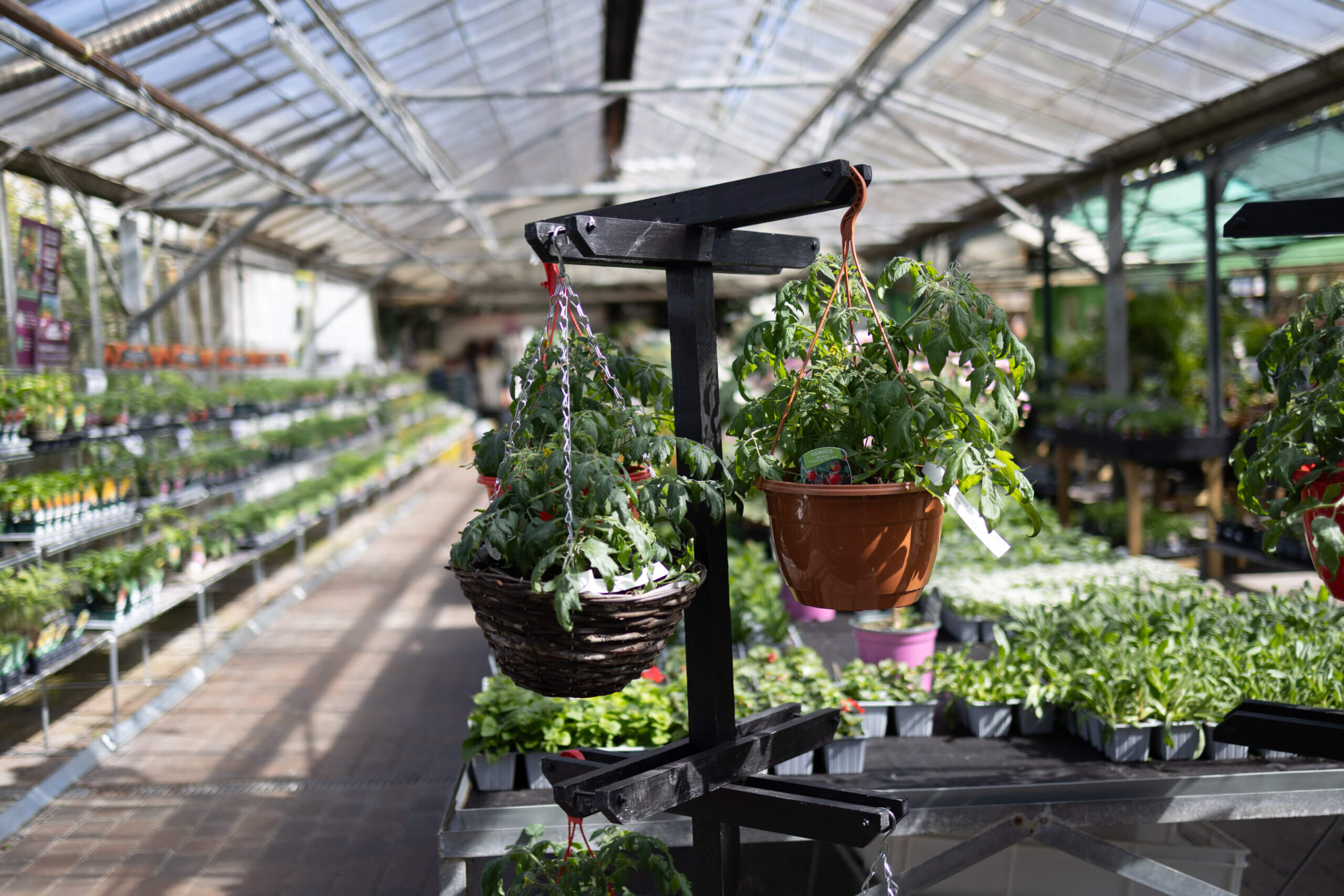
Tomatoes, courgettes, squash, and cucumbers are all heavy feeders once they start flowering. Switch to a high-potash feed at this point (weekly if you can manage it). For everything else on the plot, a general vegetable fertiliser every couple of weeks keeps things ticking along nicely. Fruit bushes like currants and gooseberries will also benefit from a top-up now they’re carrying fruit.
AVAILABLE IN STORE: Tomato feed, vegetable fertiliser, fruit feed – granular and liquid options available
Watch out for slugs
If you’re putting young plants or fresh sowings into the ground, slugs will find them. June evenings are warm and damp – perfect slug weather. Get protection in place as soon as plants go in, especially lettuce and brassicas. There are plenty of options: pellets, barriers, or wildlife-friendly alternatives. Pop in and we’ll point you in the right direction.
AVAILABLE IN STORE: Slug protection & pest control – including wildlife-friendly options
TOP TIP: Rainwater is gold for your garden, especially for seedlings and young plants. If you don’t already have a water butt, June’s the month to set one up. Tap water does the job, but collected rainwater is softer and plants genuinely do better on it.
Weeding: little and often is the secret
A hoe on a dry sunny day is your best tool in June. Run it through your beds when weeds are small and the surface is dry, and they’ll shrivel up and die without any pulling needed. Let them get big and it becomes a much harder job. Same goes for paths and borders, a regular rake-through keeps things manageable.
AVAILABLE IN STORE: Hand hoes, border forks, rakes — plus weed control products for paths and hard surfaces
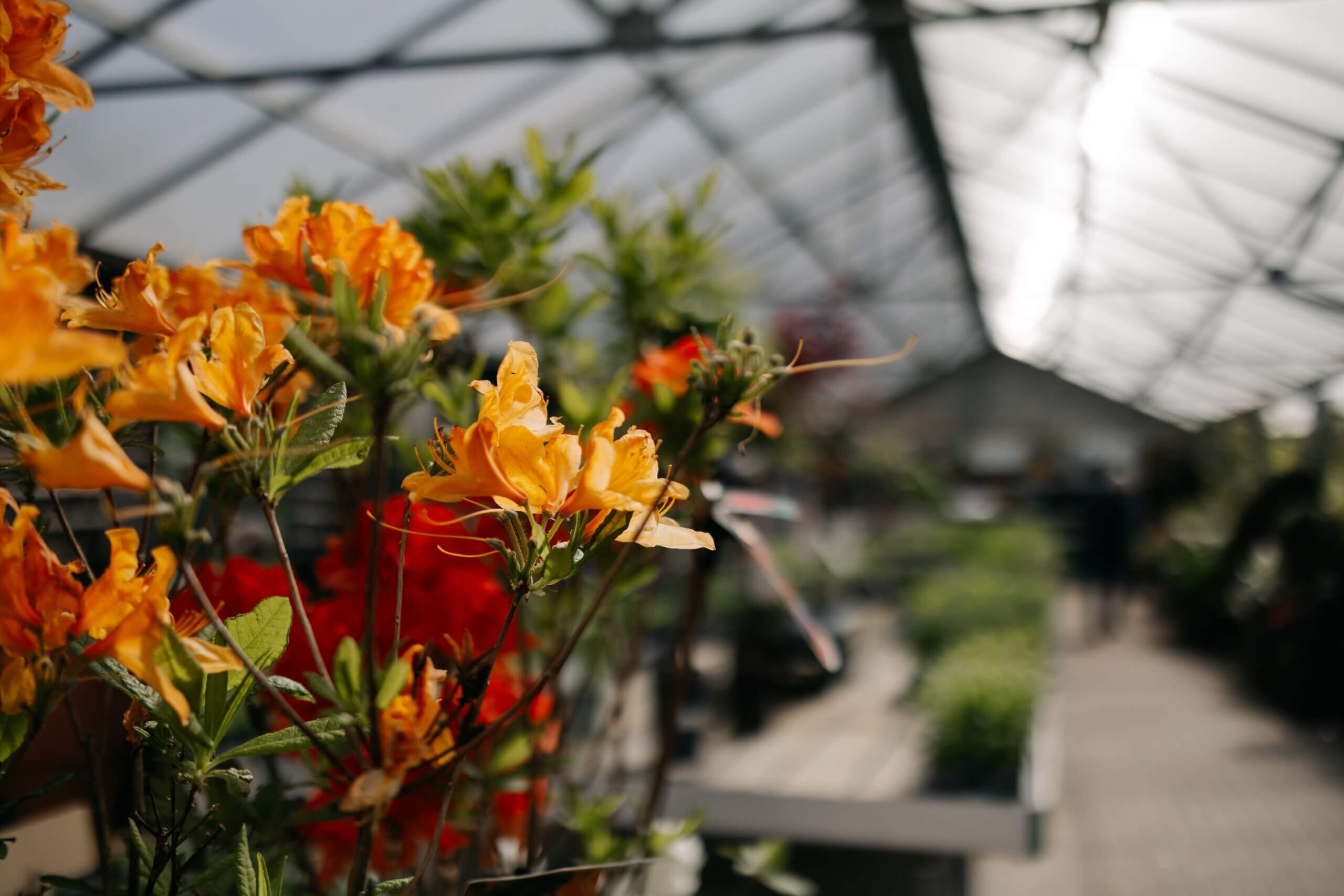
What to do for Wildlife in June
June is peak time for garden wildlife in North Devon. The bees are busy, hedgehogs are out at dusk, and there’ll be nesting birds tucked into your hedges and shrubs right now. A few small changes can make a big difference.
Bee-friendly plants
This is one of the best months to add pollinator-friendly plants to your garden. Lavender, borage, phacelia, and alliums are all magnets for bees and they look brilliant too. Even a single pot of lavender on a sunny windowsill will bring in bumblebees. If you’ve got a spare patch of ground going, a wildflower mix will reward you for years to come.
AVAILABLE IN STORE: Wildflower seed mixes, bee-friendly plug plants – ask the team for what’s in season right now
Nesting birds – a gentle word of warning
Before you get stuck into trimming hedges and cutting back shrubs, have a careful look first. Birds are still nesting in June, and it’s against the law to disturb an active nest. If you spot a nest with eggs or chicks, leave that section well alone for now and come back to it in late summer. A quick check before you start always takes less time than you think.
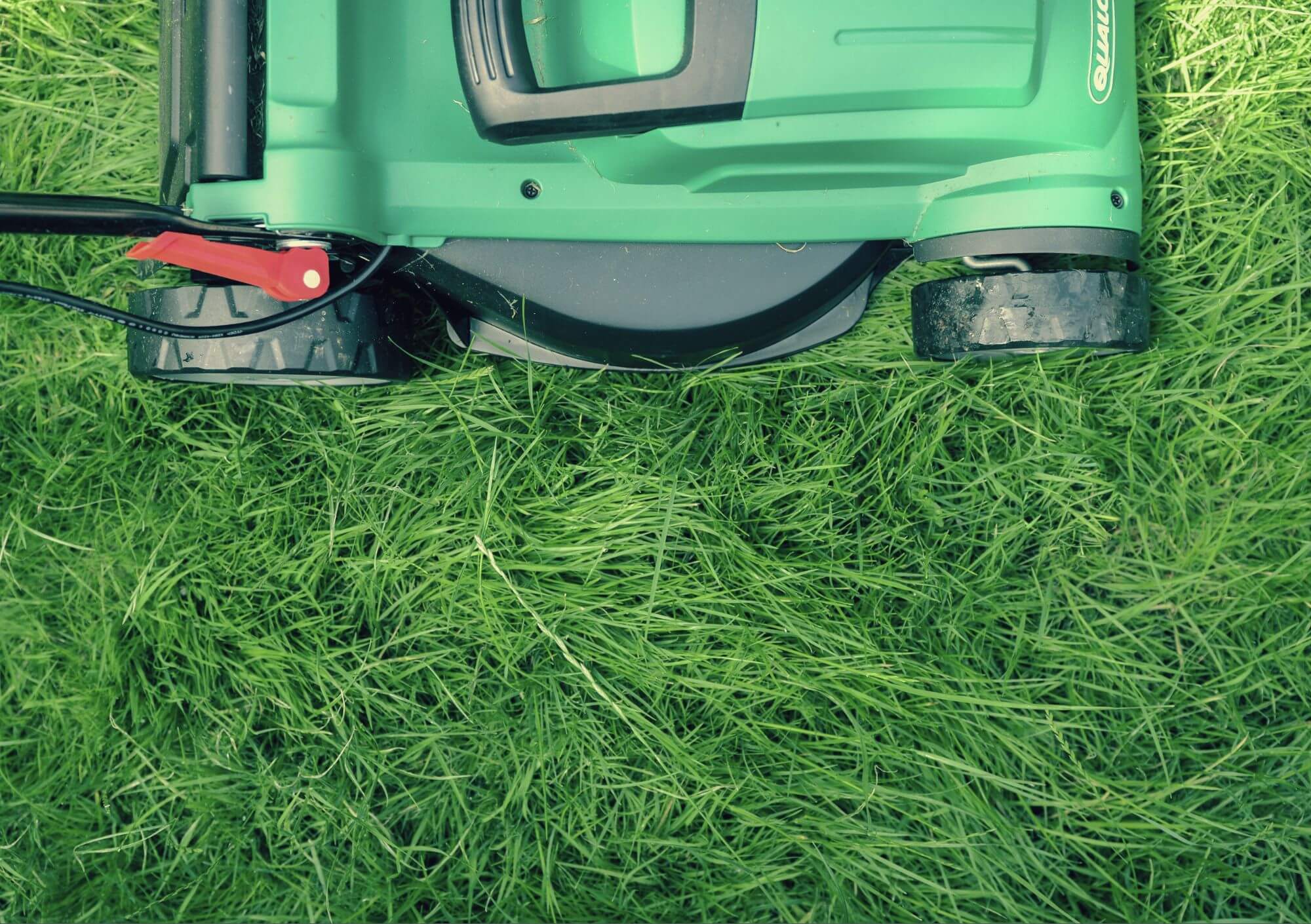
Lawn Care in June
A good lawn in June is a combination of regular mowing, the right feed, and dealing with weeds before they spread. Raise your mower blade slightly in dry spells; a slightly longer lawn holds moisture better and stays greener for longer.
Feeding the lawn
If you didn’t get a spring lawn feed down, don’t panic! A June feed will still do plenty of good. Look for a feed with a higher nitrogen content to keep the growth green and lush. Apply when rain is forecast or water it in, and you’ll notice the difference within a couple of weeks.
AVAILABLE IN STORE: Lawn feed, grass seed for repairs, weed & feed products — we can advise on the right product for your lawn type
Dealing with lawn weeds
Dandelions and daisies can be dug out by hand with a long-bladed weeder (actually quite satisfying on a Sunday morning). For bigger patches of lawn weeds, a combined weed and feed does both jobs in one go. Always follow the pack instructions; more isn’t better when it comes to lawn treatments.
AVAILABLE IN STORE: Lawn weed killer, spot weed treatments, lawn scarifiers — plus rakes and lawn care tools