

August is the month your garden asks very little and gives back an awful lot. The veg patch is bursting, the borders are at their most colourful, and those long warm evenings, warm, golden, still, are made for sitting outside. It’s also the month to be a bit clever about how you manage your garden, especially if you’ve experienced the heatwave we’ve had this year in North Devon.
That said, August does come with its challenges. The heat can take its toll, water becomes precious, and a few key jobs, completed at the right time of day, will make all the difference to how your garden looks and performs right through to autumn. Here’s everything you need to know.
What Can You Sow in August?
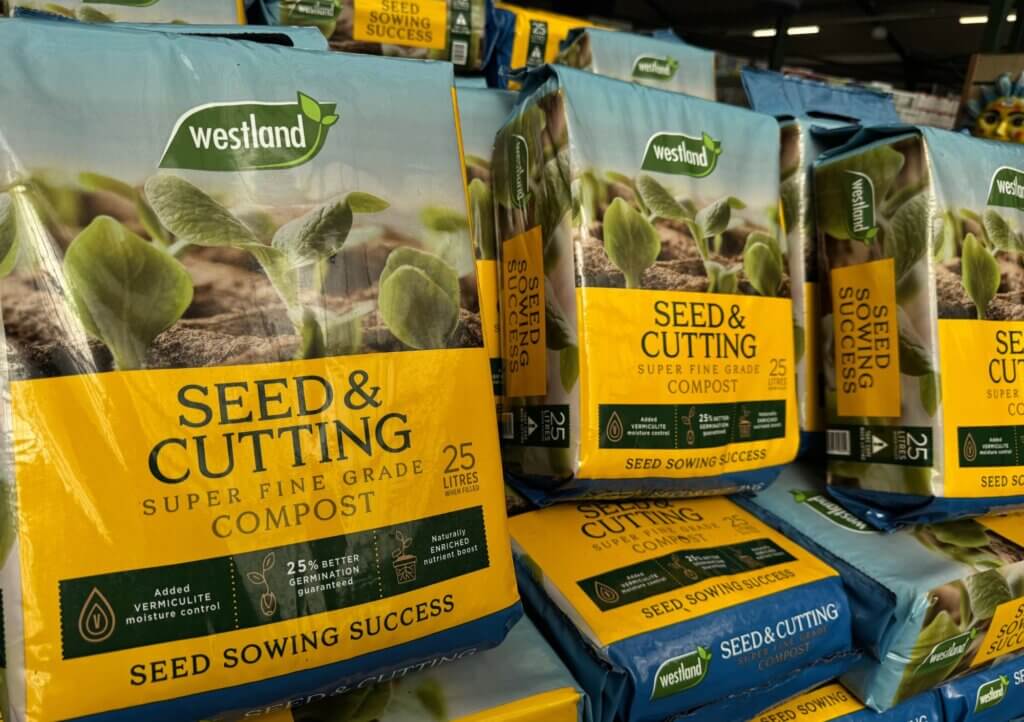
August might feel late in the growing season, but there’s more you can get going than you’d think, both for autumn harvests and for next spring.
Small Space or Containers
Cut-and-come-again salad leaves, rocket, spring onions and radishes all grow brilliantly in pots and will give you harvests right into October. Sow a fresh batch now and you’ll still be picking in autumn.
Bigger Garden or Allotment
August is ideal for Japanese onions and garlic for overwintering, plus spring cabbages, land cress and winter lettuce. Hardy annuals and biennials sown now give a brilliant early display next spring and summer.
Salad bowls, pots and planters
A salad bowl or planter on the patio is one of the best things about August gardening, and honestly a summer essential whatever size garden you have. The key is keeping containers well watered (they dry out fast in the heat) and giving them a liquid feed every week or two to keep the growth coming. And remember, only harvest what you need from cut-and-come-again crops like lettuce and chard. Snip leaves from the outside, leave the centre growing, and the plant will keep producing for weeks.
AVAILABLE IN STORE
Autumn & winter vegetable seeds, hardy annual seeds, pots & planters, potting compost, liquid plant food — ask us what’s working well this season
If you’re looking for something a bit out of the ordinary for your beds and borders, keep your eyes peeled for our range of trial plants, only available at select garden centres across the UK, including St John’s. Well worth a look while they’re here.
Flowers: Deadheading, Seed Saving & Keeping the Colour Going
Keep deadheading
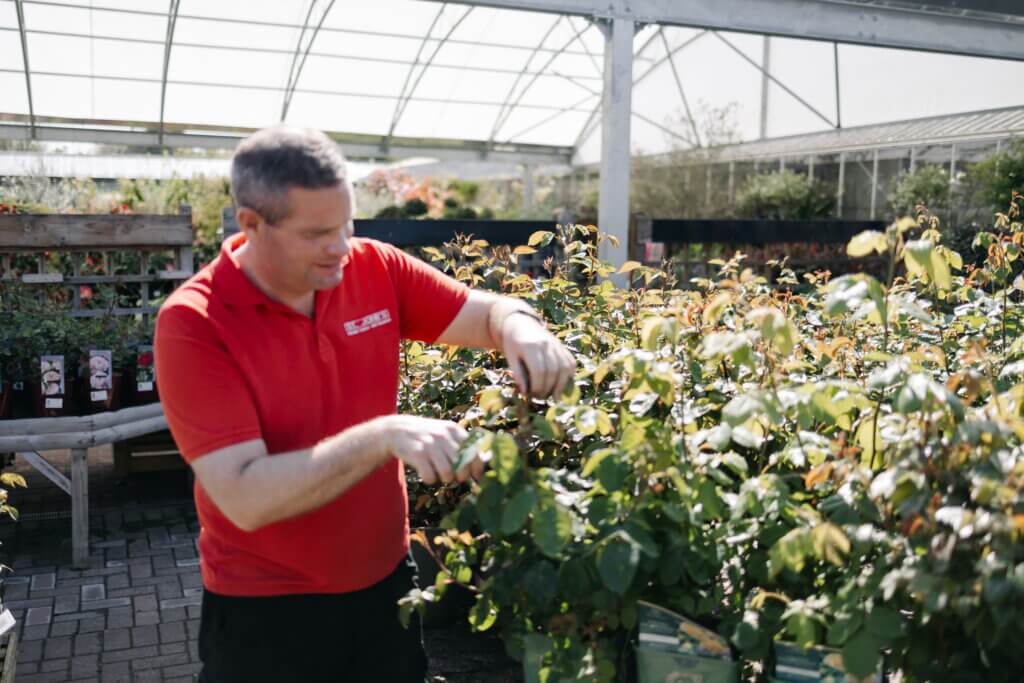
Deadheading is still one of the most worthwhile jobs in August, and it’ll carry you all the way through to autumn. Snip off spent blooms regularly, especially on dahlias, sweet peas, roses and bedding plants, and they’ll keep flowering rather than putting their energy into making seeds. A few minutes every few days makes a visible difference within days.
AVAILABLE IN STORE
Secateurs, garden scissors, floral snips, clean cuts keep plants healthy
But save some seeds too
Don’t deadhead everything. Keep an eye out for flowers starting to ripen and turn brown; cosmos, sweet peas, nigella, foxgloves and poppies all produce seeds that are easy to collect and save. Wait until the seed head is papery and dry, then snip it off into a paper bag, label it clearly, and store somewhere cool and dry. Those seeds will give you a whole new generation of plants next year, for free.
SEED SAVING TIP
Don’t collect seeds on a damp day, moisture leads to mould in storage. Choose a dry morning, let the seed heads finish drying out on a piece of paper indoors for a week or two, then store in a labelled paper envelope in a cool cupboard. An old biscuit tin works perfectly.
Allotment & Veg Patch: Harvest Time
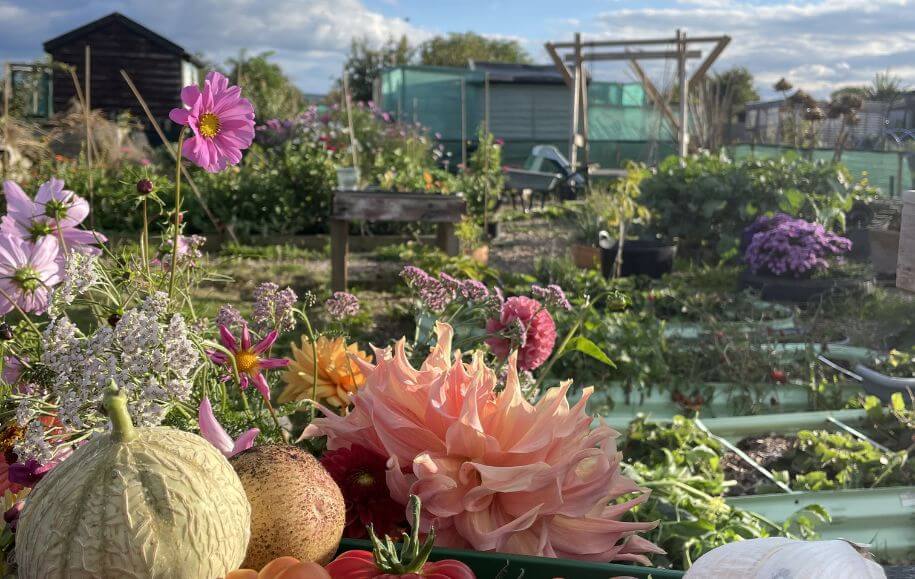
August is the big payoff month on the veg patch. Here’s what you should be picking right now:
– Tomatoes
– Cucumbers
– Broad beans
– Swiss chard
– Salad leaves
– French beans
– Courgettes
– Sweetcorn
The key rule in August is to harvest quickly and harvest often. The more you pick, the more the plant produces, especially with beans, courgettes and cucumbers. Leave a courgette unpicked for a few days and you’ll come back to a marrow. Pick every day if you can, and the plant will keep going for weeks longer.
Keep feeding
Don’t ease off on the feeding just yet. Tomatoes, cucumbers and squash are still working hard and need a high-potash liquid feed every week. Stop feeding once the plant starts to look like it’s winding down, but while it’s still producing, keep it going.
AVAILABLE IN STORE
Tomato feed, high-potash liquid fertiliser, general vegetable plant food, liquid and granular options in store
Supporting Garden Wildlife in August
August can be a tough month for garden wildlife; water is scarce, food sources are dwindling, and the heat puts pressure on everything from bees to hedgehogs. A little help from you goes a long way.
Water for wildlife
Keep a shallow saucer or dish of fresh water out at all times, topped up daily if possible. Bees, butterflies, birds and hedgehogs all need it. A few pebbles in a saucer give insects somewhere to land safely. Position it somewhere shaded so it doesn’t evaporate too quickly, and clean it out every few days to keep it fresh.
Shady spots and wild corners
Dense planting, log piles and patches of longer grass give wildlife somewhere cool and sheltered in the heat. Leave a corner of the garden a little wild if you can — it costs you nothing and gives insects, hedgehogs and small mammals a genuine refuge through the hottest weeks.
Leave the seed heads
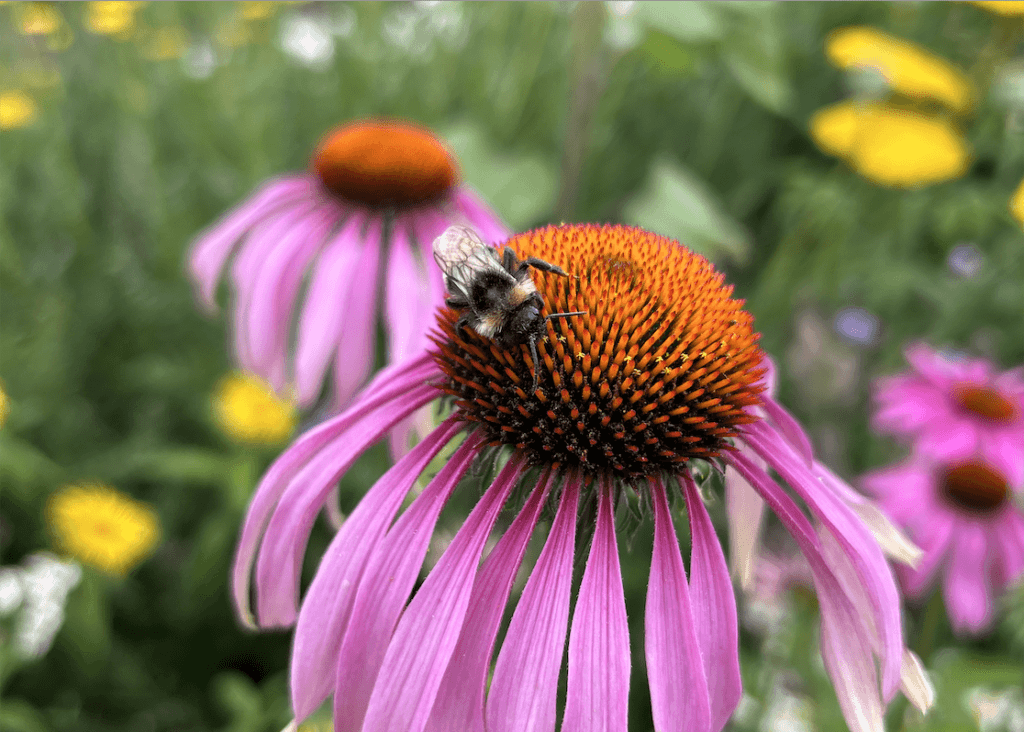
As flowers start going over, resist the urge to clear everything away. Seed heads on rudbeckia, echinacea, teasels and sunflowers are a brilliant food source for goldfinches and other birds as summer turns to autumn. They look great too — so leaving them really is a win all round.
AVAILABLE IN STORE
Wildlife water dishes, bee-friendly plants, wildflower seed mixes, bird feeders — help your garden do more for nature
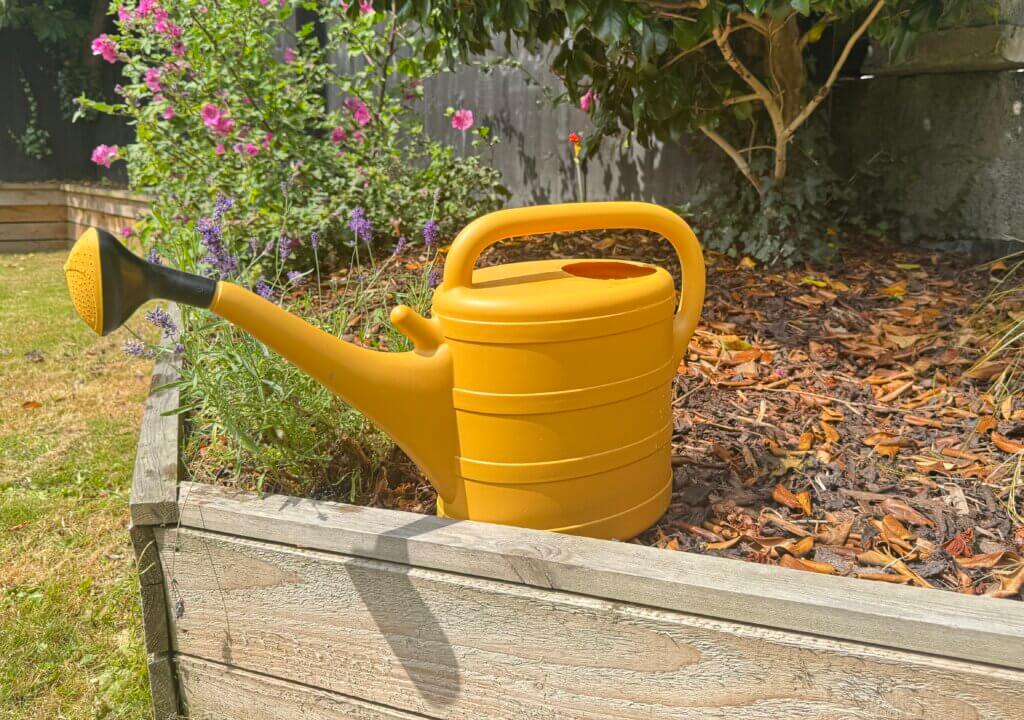
Keeping the Garden Tidy in August
Water, water, water
August can be one of the driest months of the year, and water is precious, but watering more cleverly rather than just more is usually all it takes. Try to do your watering before 11am and after 6pm: water applied in the midday heat evaporates before it can do much good, and wet leaves in full sun can scorch. A good deep soak every few days beats a light sprinkle daily every time.
In a dry spell, don’t let any water go to waste either. The half glass on the bedside table, the washing-up bowl, the water from rinsing vegetables — all of it can go on your pots and borders. And if you haven’t set up a water butt yet, harvested rainwater is the best thing for your plants and worth thinking about for next year.
WILTING — DON’T PANIC
If plants wilt on a hot afternoon, most are just conserving moisture. Check again at dusk — if they’ve perked back up, they’re fine. If still drooping after dark, give a good deep soak at the base. Terracotta pots are worth dampening on the outside too, as they lose moisture through the sides.
AVAILABLE IN STORE
Water butts, watering cans, drip irrigation kits, water-retaining gel for containers — ask us what works best for your setup
Weeding
Weeds in August set seed fast, one plant can produce hundreds of seeds before you’ve noticed it. Keep on top of them little and often. The best approach is to hoe on a dry day and leave them on the surface to scorch in the sun. Once shrivelled, rake them up and compost them, but don’t compost anything that’s already gone to seed, or you’ll be dealing with the results next year.
AVAILABLE IN STORE
Hand hoes, border forks, rakes, path & patio weed control, ask us what’s best for your situation
Pruning and clipping
August is a good time to give rambling roses their post-flowering prune; cut back the stems that have flowered this year to encourage strong new growth for next season. Lavender can be trimmed back lightly after flowering to keep it bushy rather than leggy. Do check any hedges or shrubs for signs of nesting birds before getting the shears out, later-nesting species like house sparrows can still have chicks in August, so a quick look first is always worth it.
AVAILABLE IN STORE
Secateurs, loppers, hedge shears, a clean sharp tool makes a real difference to your plants
Lawn care
Keep the mower blade high in August, scalping the lawn during a dry spell does more harm than good. If the grass goes yellow and dormant, don’t panic; it nearly always recovers once the rain returns. Hold off on feeding until September when the soil is more receptive. Any worn or bare patches can be overseeded in late August or early September for a good autumn recovery.
AVAILABLE IN STORE
Grass seed for overseeding, autumn lawn feed, lawn repair kits, get ready for September recovery
Enjoy the Space; You’ve Earned It
August is the month to actually use your garden. Fire up the barbecue, invite people round, eat the tomatoes warm from the vine and the salad straight from the pot on the patio. Those long North Devon evenings, still light at nine o’clock, warm enough to stay outside, are what all the spring sowing and summer weeding was really for.
Cook with what you’ve grown. Share the glut with neighbours. Let the kids run around in it. Gardens are for living in, not just looking at, and in August, there’s no better place to be.
Everything mentioned in this guide is available in store at St John’s Garden Centres, North Devon. Not sure what you need? Just ask; our team are here to help, and we love talking about gardens.