

October is when autumn really settles in, and we’ve really started to feel that here in North Devon. The days are shorter, the temperatures have started dropping, and the garden is winding down for the year. After the summer we’ve had, the good news is that cooler air and steady autumn rain are finally giving lawns and borders a chance to recover and plenty of us have seen our gardens give us a second wind. It’s a busy and rewarding month: there’s tender planting to protect, bulbs to get in, beds to mulch, lawns to repair, and some genuinely beautiful autumn colour to enjoy along the way. Here are the jobs to add to your to-do list for October.
What to Sow and Grow Now
Sow sweet peas for an early start
It might feel counter-intuitive to be sowing seeds now, but October is a brilliant time to sow sweet peas. Autumn-sown plants develop stronger root systems over winter and reward you with earlier, more vigorous flowering next summer. Sow two or three seeds into deep pots or root trainers, keep them somewhere cool and frost-free like a cold frame or unheated greenhouse, and pinch out the growing tips once they have a few pairs of leaves to encourage bushy, sturdy plants.
Plant garlic, onion sets and shallots
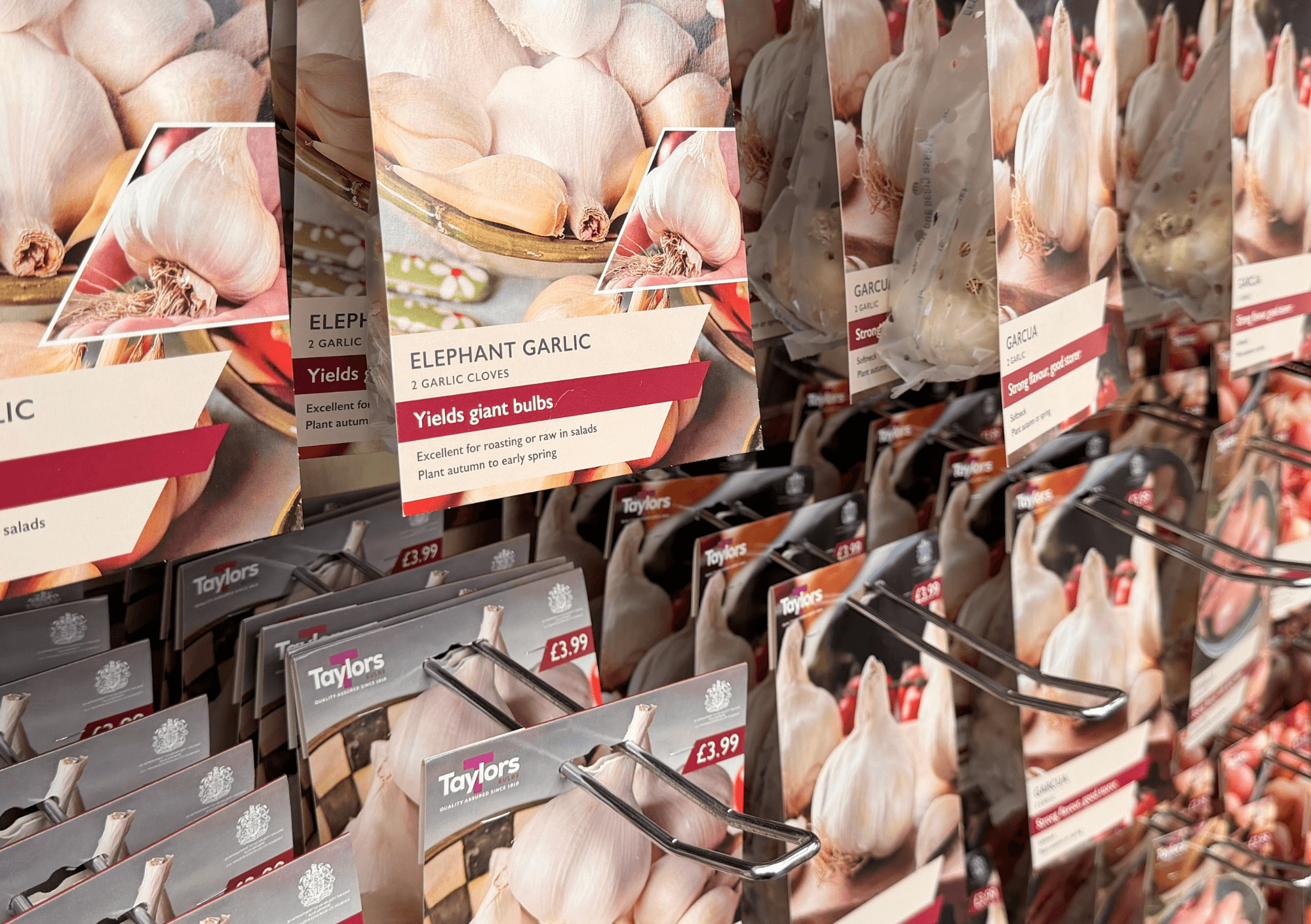
Now is the ideal time to get garlic, autumn onion sets and shallots into the ground for a head start on next year’s harvest. They need a period of cold to grow well, so planting now suits them perfectly. Choose a sunny spot with free-draining soil, push each clove or set in so just the tip shows, and space them out to give the bulbs room to swell. It’s one of the most satisfying jobs of the month — very little effort now for a proper crop next summer.
Grow microgreens on the windowsill
With outdoor growing slowing right down, a tray of microgreens on a bright windowsill is a lovely way to keep growing something fresh through the darker months. Rocket, radish, pea shoots and salad mixes are quick and easy, ready to snip in a couple of weeks, and they add a real lift to autumn meals. Sow little and often and you’ll have a steady supply right through winter.
Add instant autumn colour
If your borders and containers are looking tired, October is the perfect time to freshen them up. Hardy cyclamen, ornamental grasses, heathers, asters and winter-flowering violas and pansies all bring welcome colour and texture just as everything else fades. They’re ideal for pots by the door and gaps in the border, and they’ll keep the garden looking cared-for right through autumn and into winter.
AVAILABLE IN STORE: sweet pea seeds and root trainers, seed garlic, onion sets and shallots, microgreen kits, plus cyclamen, grasses, heathers and winter bedding.
Key Garden Jobs for October
Get the last of your spring bulbs in
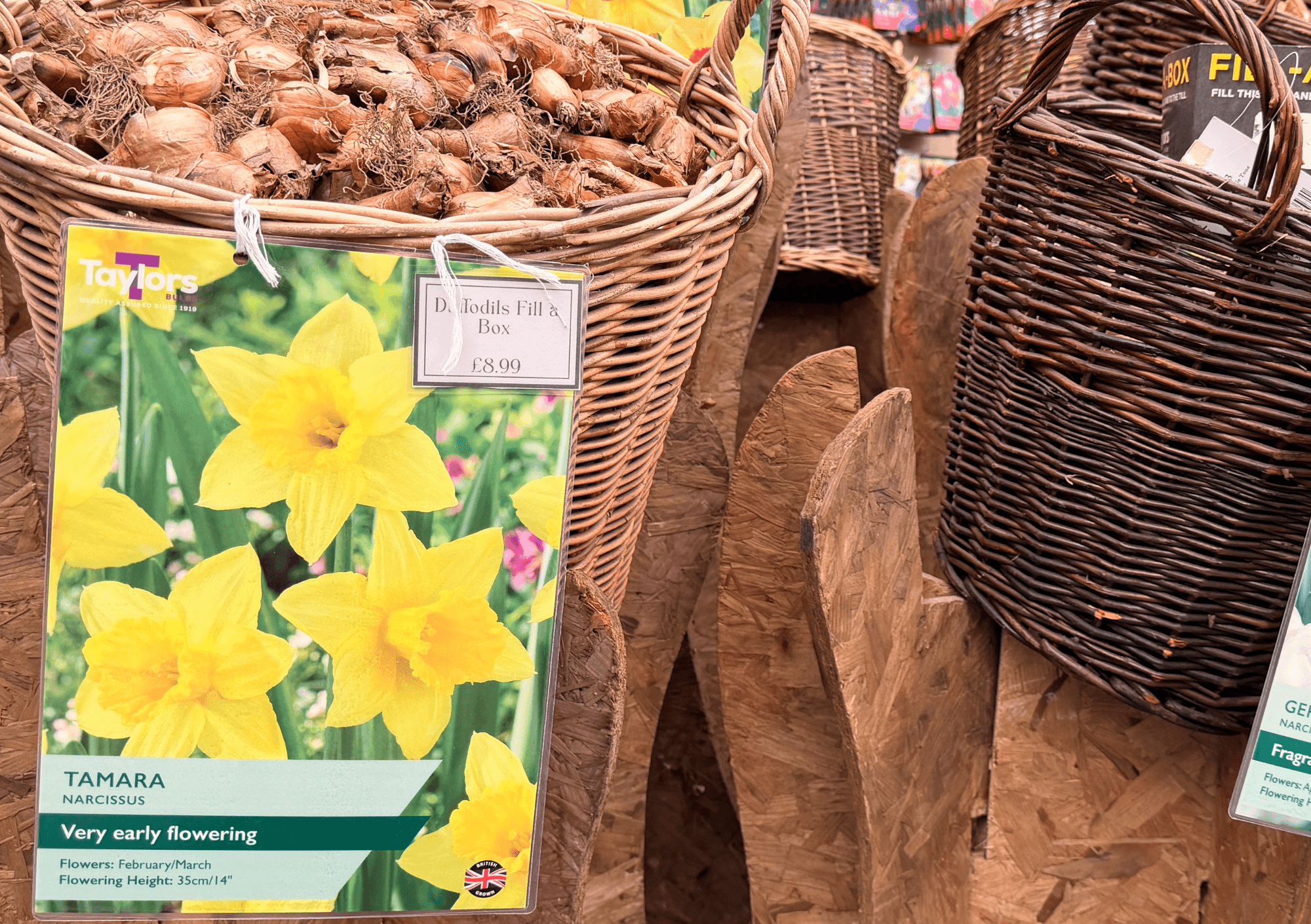
If you didn’t get all your bulbs planted last month, there’s still time. Daffodils, crocus, alliums and hyacinths can still go in, and October is the ideal moment for tulips. Planting tulips a little later helps guard against tulip fire, a fungal disease that thrives in warmer soil, so this is exactly the right time to get them in. As a rule of thumb, plant each bulb at around three times its own height deep, pointed end up, in a spot with decent drainage.
Mulch your beds and borders
A good layer of mulch is one of the best things you can do for your soil, and autumn is the perfect time to apply it. Once the ground is damp from the rain, spread a generous layer of compost, well-rotted manure, green manure or the mulch of your choice over your borders. It locks in moisture, protects roots from the worst of the winter cold, suppresses weeds and feeds the soil as it breaks down. Just keep it clear of plant stems and crowns to avoid rot.
Lift dahlias before the first frost
Keep an eye on the forecast towards the end of the month, because dahlias are tender and won’t survive a hard frost in the ground. As the first frosts approach, cut back the top growth, carefully lift the tubers with a fork, and let them dry off before storing them somewhere cool, dark and frost-free in trays of dry compost. In milder, well-drained spots you can leave them in place under a thick, protective mulch, but lifting is the safest bet after a cold night.
Get on top of the pruning
October is a good month to tidy up with the secateurs. Reduce the height of tall roses and shrub roses by around a third to stop autumn winds rocking them loose at the roots, and prune climbing roses once they’ve finished flowering. You can cut back faded herbaceous perennials too, though it’s worth leaving some seed heads and hollow stems standing for the wildlife. Avoid pruning spring-flowering shrubs now, as you’ll only be cutting off next year’s flowers.
AVAILABLE IN STORE: spring bulbs including tulips, well-rotted compost and manure, storage trays, and a good pair of secateurs.
Lawn Care in October
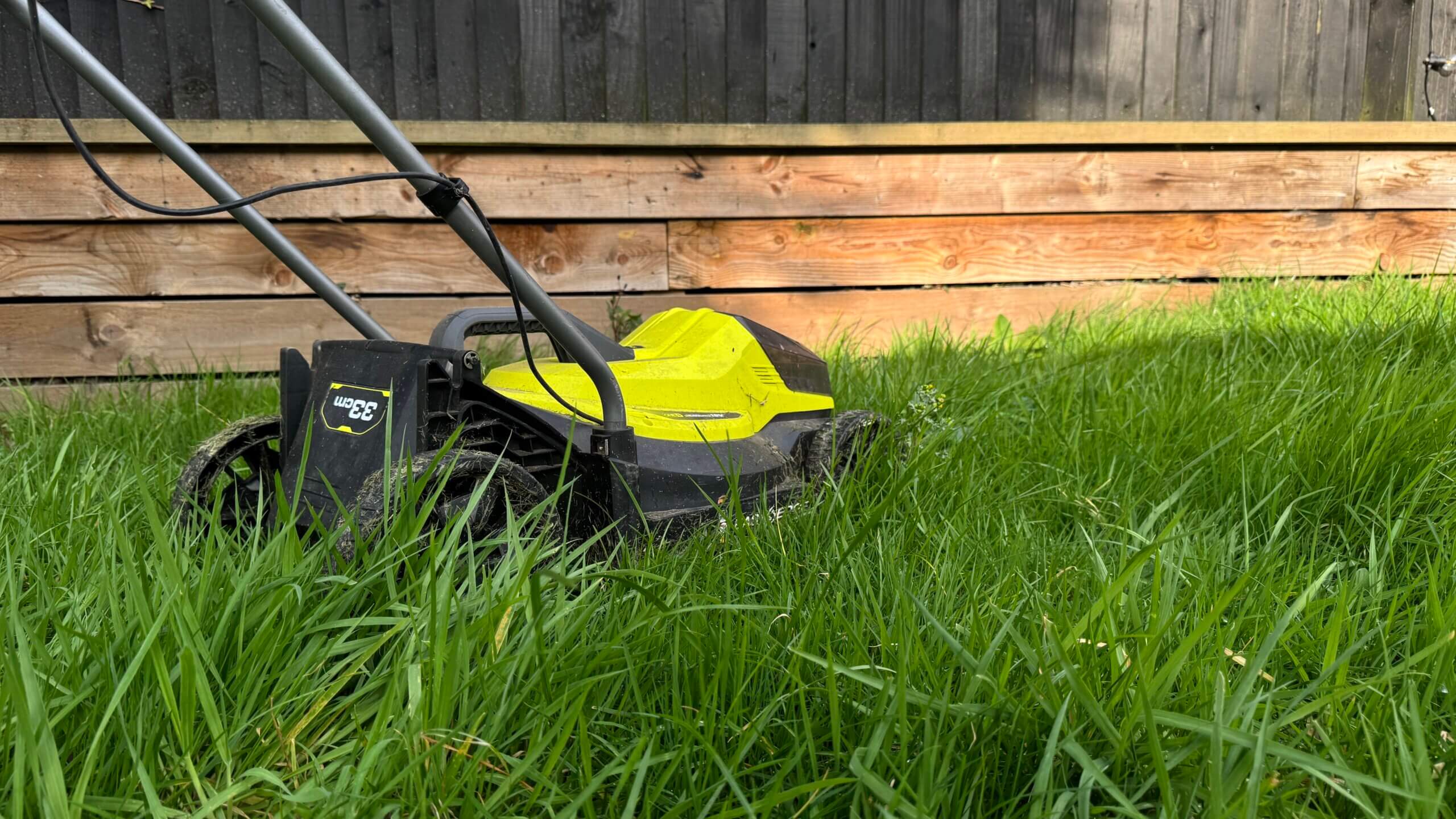
After a dry summer, a lot of lawns are looking patchy, compacted and tired. The great news is that October is the very best month to put things right. The soil is still warm enough for grass to grow, autumn rain does the watering for you, and a little work now will see your lawn come back stronger and greener in spring.
Scarify and aerate
Over summer, lawns build up a layer of dead grass and moss known as thatch, which stops water and air from reaching the roots. Rake it out firmly with a spring-tine rake or a scarifier to let the lawn breathe. Then aerate by spiking all over with a garden fork, or a hollow-tine aerator, to relieve the compaction that a long dry spell leaves behind.
Overseed and repair bare patches
With the soil still warm and plenty of moisture about, October is the ideal time to overseed thin areas and repair the bare patches the summer left behind. Loosen the surface, scatter a good-quality grass seed, and firm it in. Germination is quick at this time of year, and the new grass has time to establish before winter.
Feed and tidy for winter
Give the lawn an autumn feed, not a spring or summer one. Autumn feeds are high in potassium and phosphates and low in nitrogen, which toughens the roots for winter rather than pushing out soft growth that frost would damage. Keep raking fallen leaves off the grass so it isn’t smothered, and if the weather stays mild, give it a final cut on a high setting to leave it neither too long nor too short going into the cold.
AVAILABLE IN STORE: autumn lawn feed, grass seed, spring-tine and scarifying rakes, aerators and leaf rakes.
Supporting Garden Wildlife in October
As the temperature drops, your garden becomes a vital refuge for wildlife heading into winter. With natural food harder to find and the cold setting in, a few small choices now give hedgehogs, birds and insects a real helping hand.
Leave leaves and log piles
Resist the urge to clear away every last leaf. A pile of leaves or logs left in a quiet corner makes an ideal hibernation spot for hedgehogs and a winter shelter for frogs, toads and countless insects. If you’re building a bonfire, always check it thoroughly and ideally move it just before lighting, as it’s exactly the kind of cosy heap a hedgehog will crawl into.
Keep the birds fed and watered
Natural food is getting scarce, and birds increasingly rely on gardens as autumn turns to winter. Keep feeders clean and well stocked with high-energy foods like sunflower hearts, fat balls and peanuts, and keep a shallow dish of fresh water topped up for drinking and bathing. A little routine now will keep your garden busy with birds all winter.
Hold back on cutting everything down
A tidy garden isn’t always the best garden for wildlife. Seed heads on plants like rudbeckia, teasels and grasses provide food for finches, while hollow stems and dense growth give insects somewhere to see out the cold. Leave what you can standing until spring — it looks characterful and does a great deal of good.
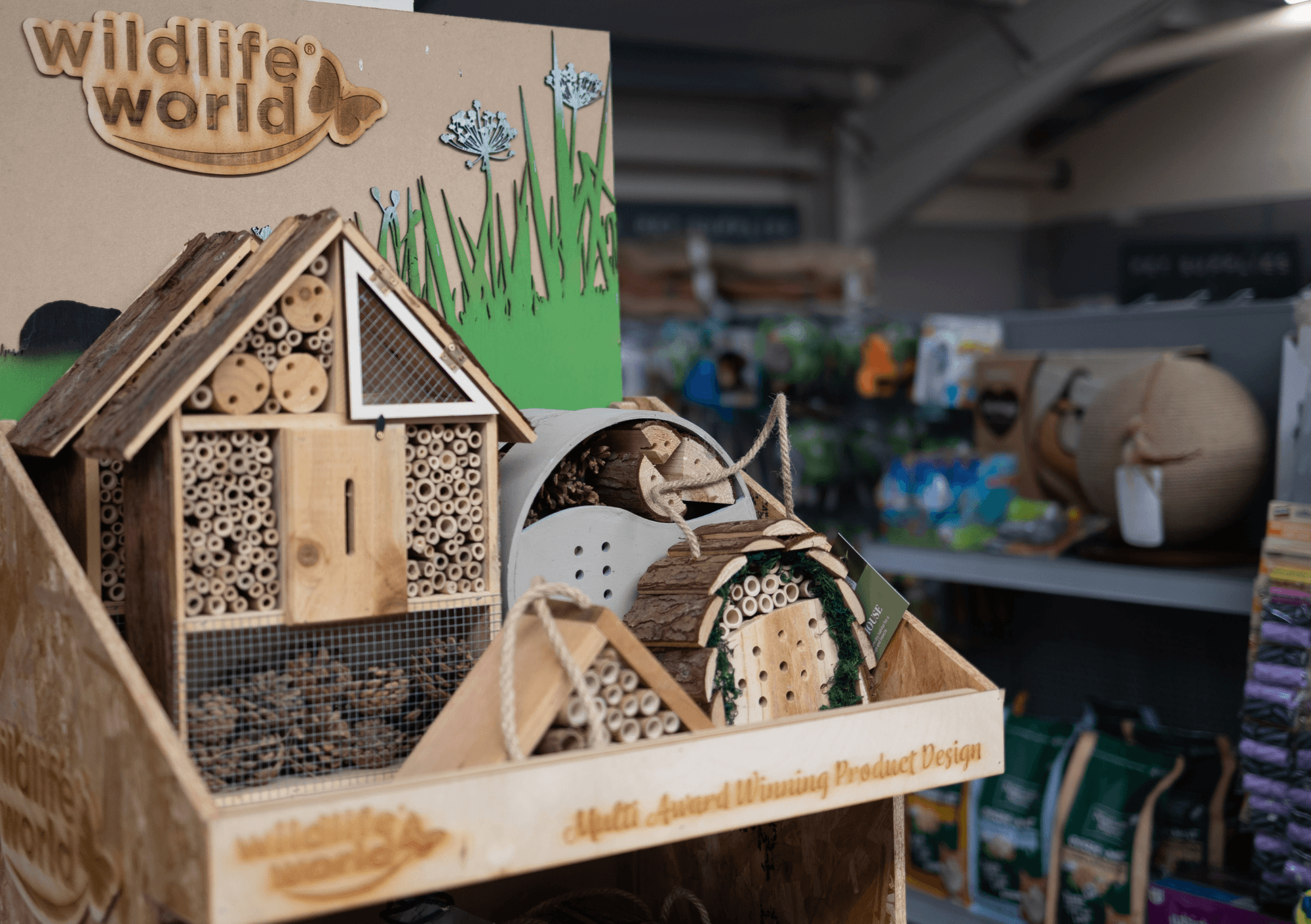
AVAILABLE IN STORE: high-energy bird food and feeders, hedgehog houses, wildlife water dishes and habitat piles to see nature through winter.
October is one of the most productive months in the gardening calendar. None of these jobs are difficult, but together they make a real difference: protect your tender plants, get your bulbs and mulch down, give your lawn the care it needs, and look after the wildlife that shares your patch. Do them now and you’ll head into winter with everything in good order and a real head start on spring.
Whatever’s on your list this month, pop in and see us. Our team can help you choose the right bulbs, seed, lawn feed and plants for the season, and point you towards everything you need to get your garden ready for the year ahead.