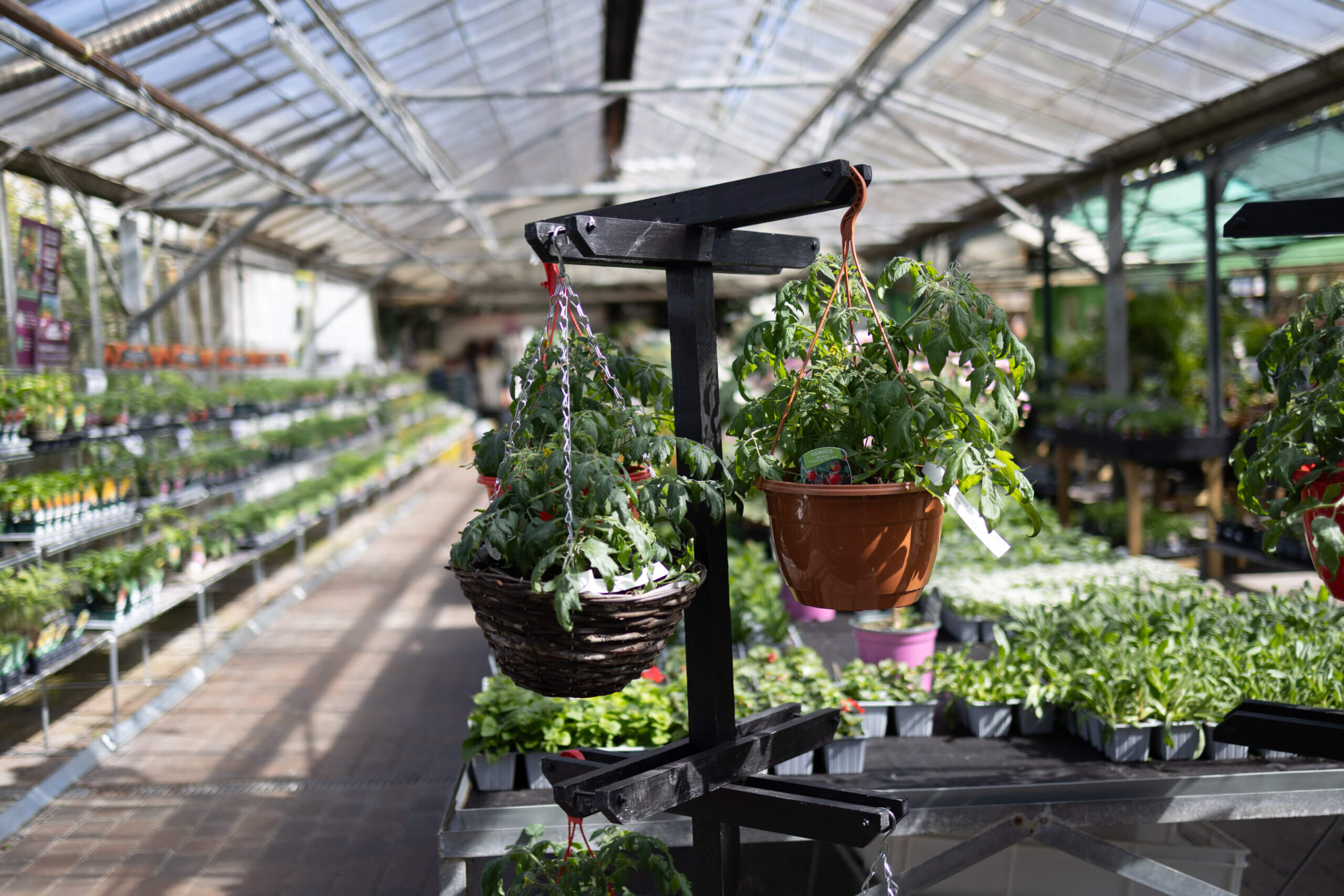


From watering wisely to sowing for spring – everything you need to keep your garden thriving this month.
July in North Devon is when the garden is at its absolute best; borders are bursting with colour, veg is doubling in size by the day, and we have those long warm evenings that make you want to stay outside until it’s nearly dark.
The good news is that July is less about hard graft and more about keeping things ticking along: watering well, feeding regularly, and enjoying what you’ve worked so hard to grow. That said, there are a few key jobs that are well worth staying on top of, and a surprising amount you can still get in the ground for later in the year. Here’s your complete guide.
What to Plant in the Ground in July
July feels late in the growing season, but there’s still a good window for a range of crops, and it’s also the perfect time to start sowing with next spring in mind.
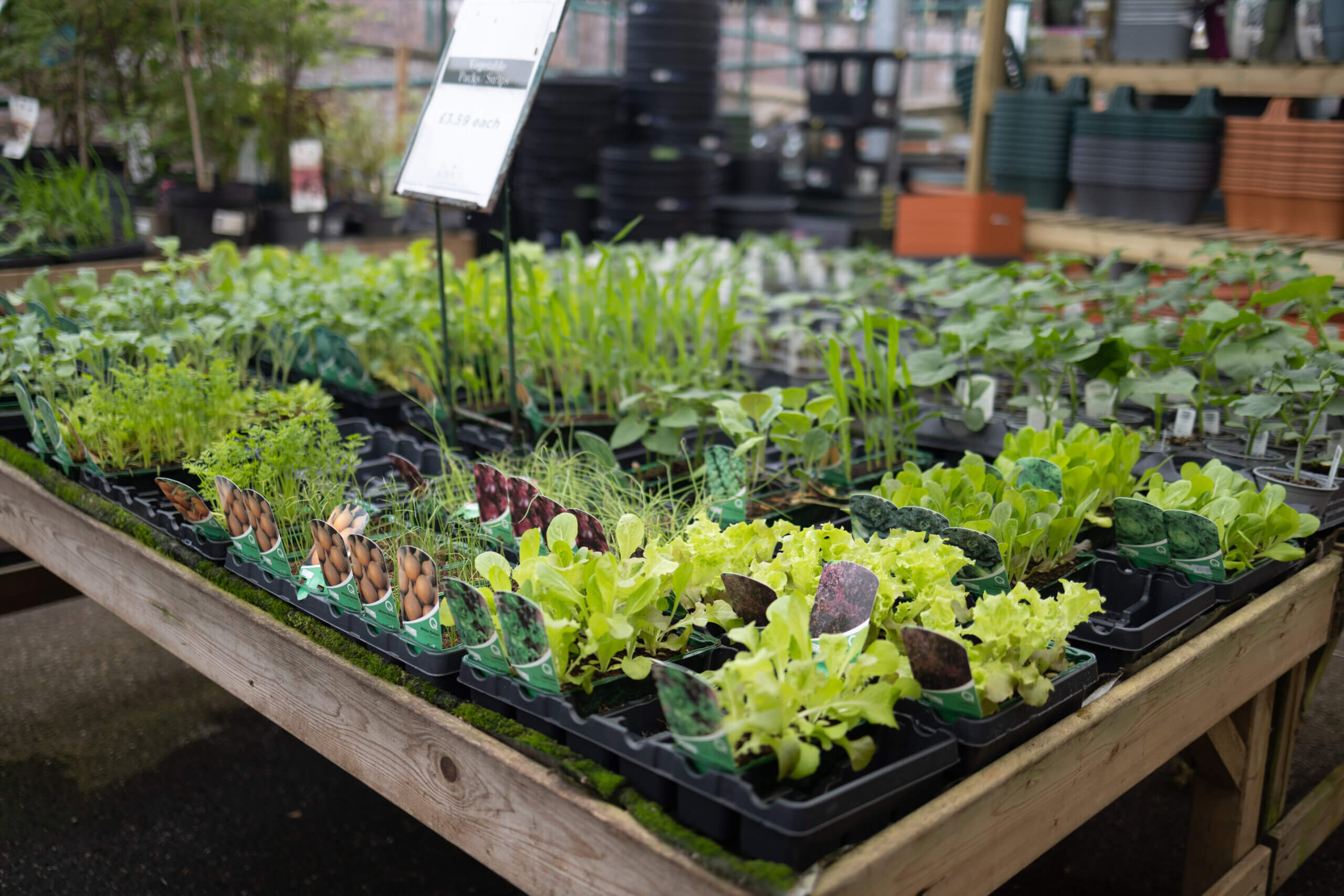
Sow now for autumn and winter
French beans, beetroot, spring onions, and quick-growing salad leaves can all still go in now for a late summer and autumn harvest. Kale and chard sown in July will see you right through winter and into spring; they’re incredibly hardy and well worth getting going. Radishes are ready in as little as four weeks, so they’re a great instant-gratification option if you’ve got a spare patch.
Sowing for spring next year
July is actually the ideal time to start thinking ahead. Hardy annuals like cornflowers, nigella and calendula can be sown now for an earlier display next year. Spring cabbages and onion sets for overwintering can also go in towards the end of the month. It sounds early, but the plants that go in now will establish beautifully over autumn and reward you come spring.
AVAILABLE IN STORE: Vegetable seeds, salad seeds, hardy annual seeds, including autumn and winter varieties
Salad bowls, pots & planters
Summer containers are one of the best things about July gardening, and they’re a real must-have for any garden, big or small. A salad bowl on the patio or a planter of herbs by the back door is both practical and lovely to look at. The key is keeping them well watered (containers dry out fast in July) and feeding every week or two to keep the growth coming.
No garden? No problem – a single large pot or window box can keep you in salad leaves, basil and cherry tomatoes all summer, perfect for patios, balconies or doorsteps.
Bigger space to play with? Try a dedicated salad raised bed or a row of mixed containers: lettuces, herbs, edible flowers and trailing tomatoes all work beautifully together.
TOP TIP
If you’ve got terracotta pots, dampen the outside of the pot as well as watering the compost inside. Terracotta is porous and loses moisture through the sides, so keeping the pot itself damp helps the roots stay cool. And whenever possible, use harvested rainwater for your containers as plants genuinely do better on it, and it’s free.
AVAILABLE IN STORE: Pots, planters & salad bowls, potting compost, liquid plant food – ask the team for what’s working well this season
And if you’re on the lookout for something a little different for your beds and borders, keep your eyes peeled for our range of trial plants – only available at select garden centres across the UK, including St John’s. These are exciting new varieties being tested before they go mainstream, so they’re always worth a browse.
Ornamental Garden Jobs for July
Highlights this month: roses, dahlias, rudbeckia, echinacea, poppies.
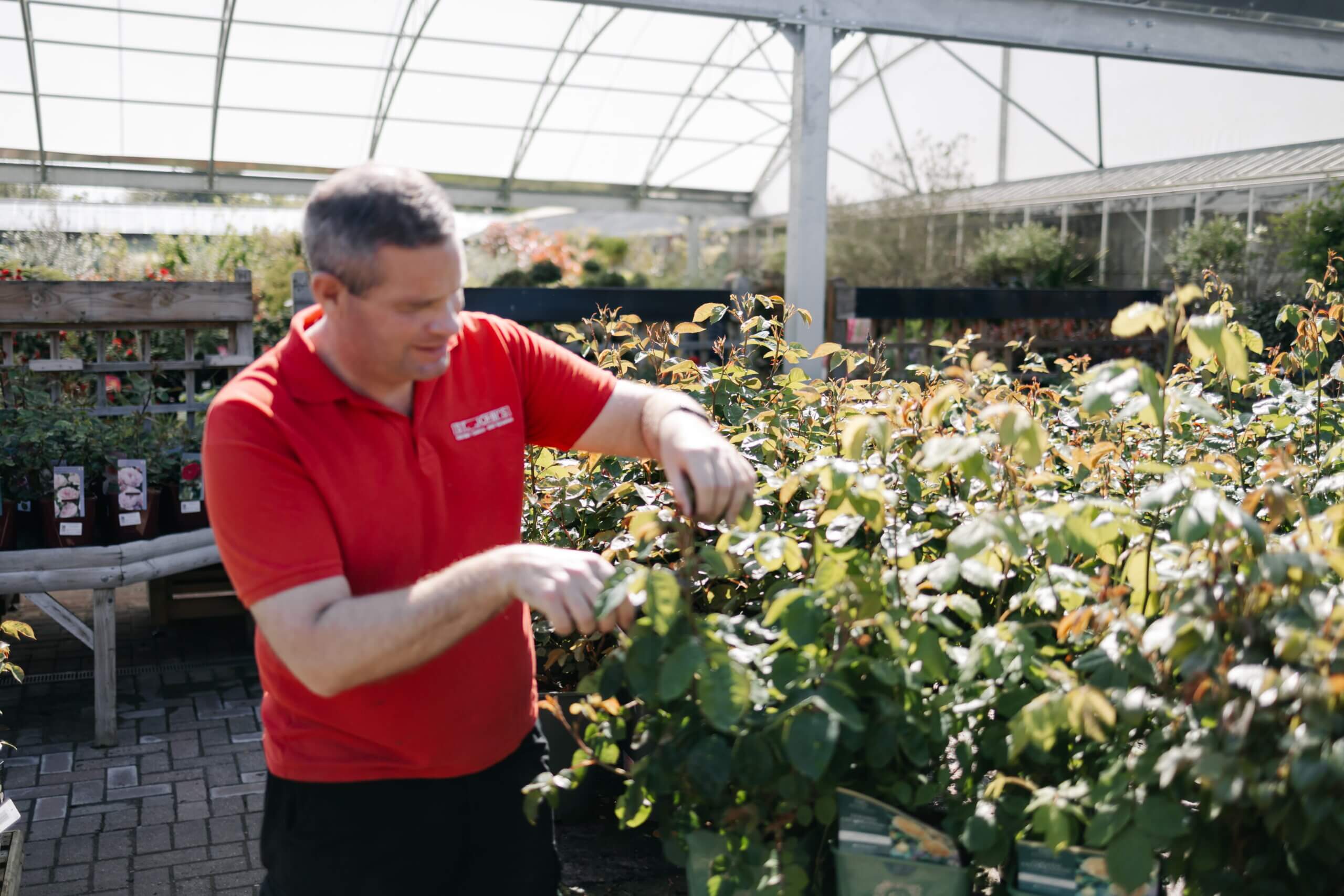
July is peak flowering season, and the single most effective thing you can do to keep it that way is to deadhead regularly. Snipping off spent blooms tells the plant to keep producing flowers rather than putting its energy into making seeds. It only takes a few minutes and makes a visible difference within days.
How to deadhead properly
Cut back to just above a healthy leaf or bud, but don’t just snap the flower off at the neck. A clean cut with sharp secateurs is much better for the plant than a ragged pinch. Keep deadheading from now until autumn and your borders will stay colourful for months longer. Roses, in particular, will reward you with a second and even third flush if you stay on top of it.
AVAILABLE IN STORE: Secateurs, garden scissors, floral snips – a good range to suit all hands and budgets
TOP TIP
Don’t deadhead everything as the season progresses. Leave some seed heads on plants like rudbeckia, echinacea and grasses. They look gorgeous well into autumn, and the seeds are a fantastic food source for birds as the year winds down. Poppies provide much-needed shade for bugs and insects, too.
Weeding – keep on top of it
Weeds in July are at their most vigorous. Warm soil and long days mean they grow fast and set seed even faster. Keep on top of them little and often. The best trick for hoeing is to do it on a dry, sunny day: cut the weeds off at the roots, leave them on the surface, and let the sun scorch them. Once they’re brown and shrivelled, rake them up and add them to the compost heap. Don’t compost weeds that have already set seed though, as they’ll come back to haunt you.
AVAILABLE IN STORE: Hand hoes, border forks, rakes – plus weed control for paths and hard surfaces
Hedge trimming – July is the month
July is a great time to clip hedges. Most species will have finished their main flush of new growth, so a trim now will keep them looking tidy right through to autumn. Do check for nesting birds before you start, though, as although most birds will have finished nesting by mid-July, it’s always worth a careful look before the shears come out. If you find an active nest, leave that section and come back in a couple of weeks.
AVAILABLE IN STORE: Hedge shears, loppers, topiary tools – plus blade-cleaning and sharpening products
Allotment & Veg Patch Jobs for July
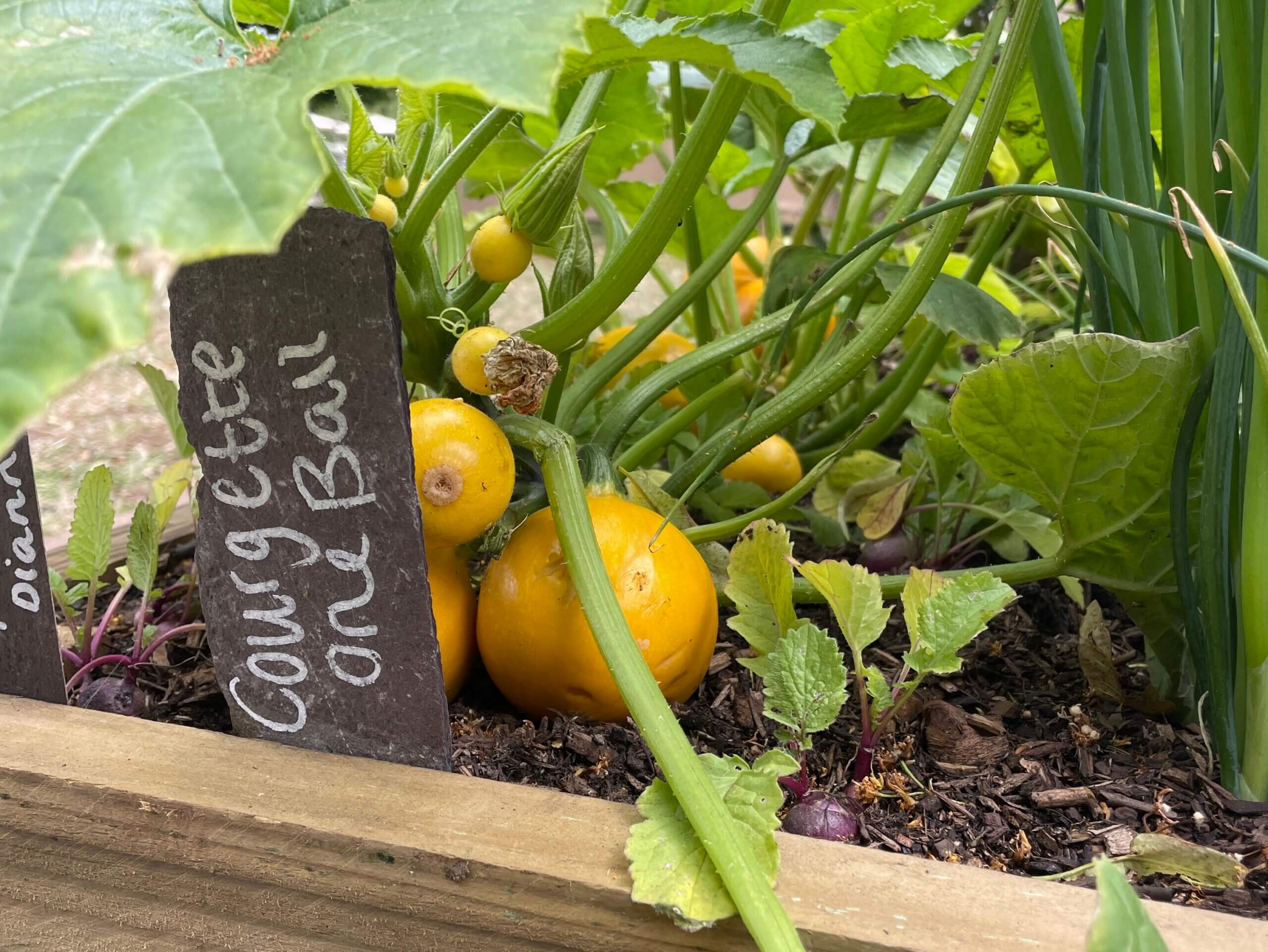
July on the veg patch is about harvesting, feeding, and keeping on top of things. Courgettes in particular will need checking every day as they go from “just about ready” to “the size of a marrow” remarkably quickly.
Keep feeding
Tomatoes, cucumbers, courgettes and squash all need a high-potash liquid feed every week once they’re in flower and fruiting. Fruit bushes like currants and gooseberries appreciate a top-up too as they carry their harvest. Don’t skip this as it really does make a difference to the size and flavour of what you pick.
AVAILABLE IN STORE: Tomato feed, general vegetable fertiliser, fruit feed – liquid and granular options available
What to Do for Wildlife in July
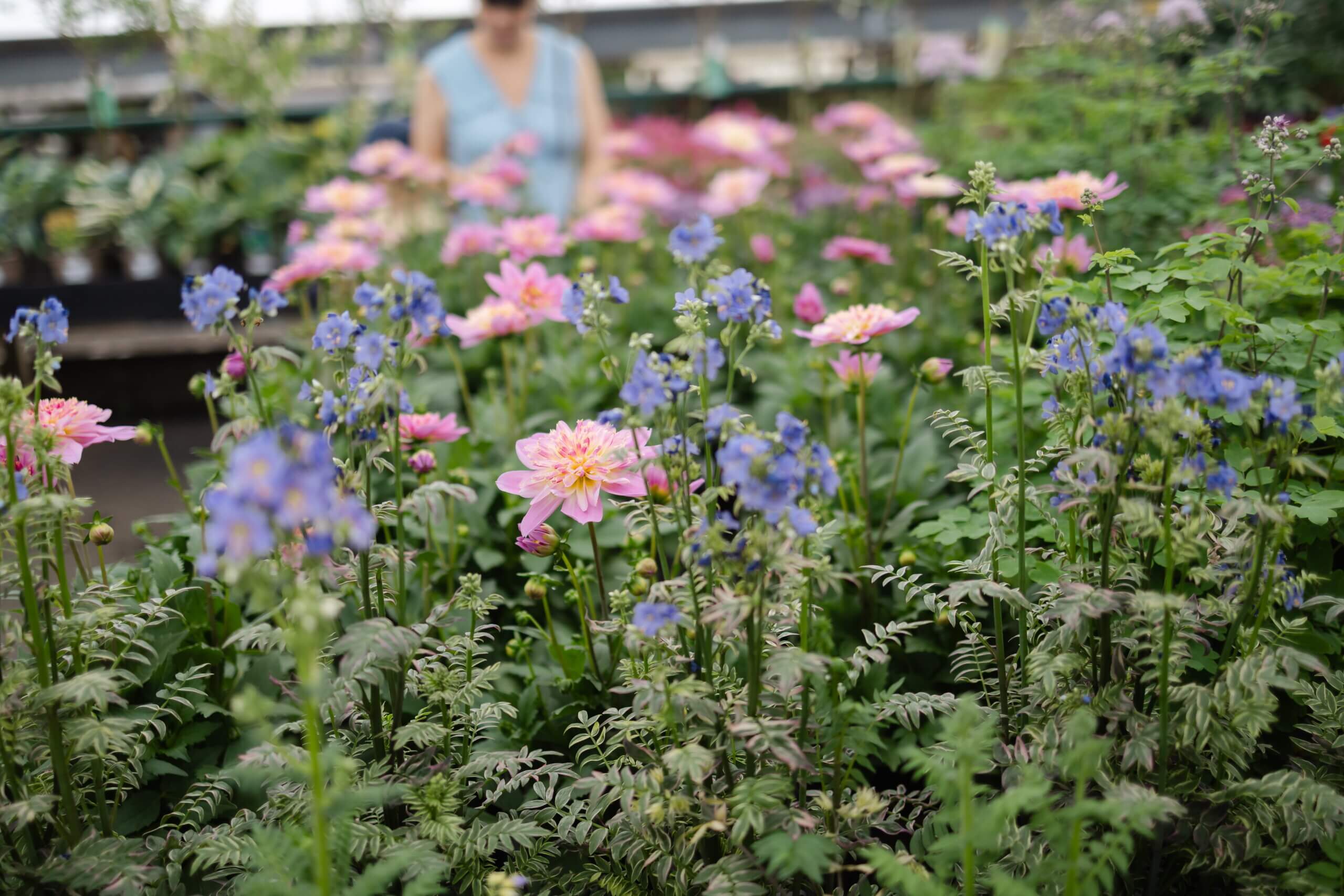
July is a brilliant month for garden wildlife; butterflies, bees, hedgehogs and birds are all active, and there are a few small things that can make your garden a genuinely important refuge for them, especially during dry spells.
Water for wildlife
Got a pond? Top it up regularly in July as water levels can drop surprisingly quickly in the heat.
No pond? A shallow saucer or dish with a few pebbles for insects to land on makes a real difference to bees and butterflies. Keep it topped up and positioned somewhere shaded.
Shade and shelter
Dense planting and shady spots in the garden are essential for wildlife in the heat. Leave a corner a little wilder if you can; a pile of logs, a patch of longer grass, or a clump of shrubs gives insects, hedgehogs and small birds somewhere cool and safe. It’s the easiest wildlife job there is.
AVAILABLE IN STORE: Wildflower seed mixes, bee-friendly plants, bird baths & wildlife water dishes – ask the team for this season’s best picks
Lawn Care in July
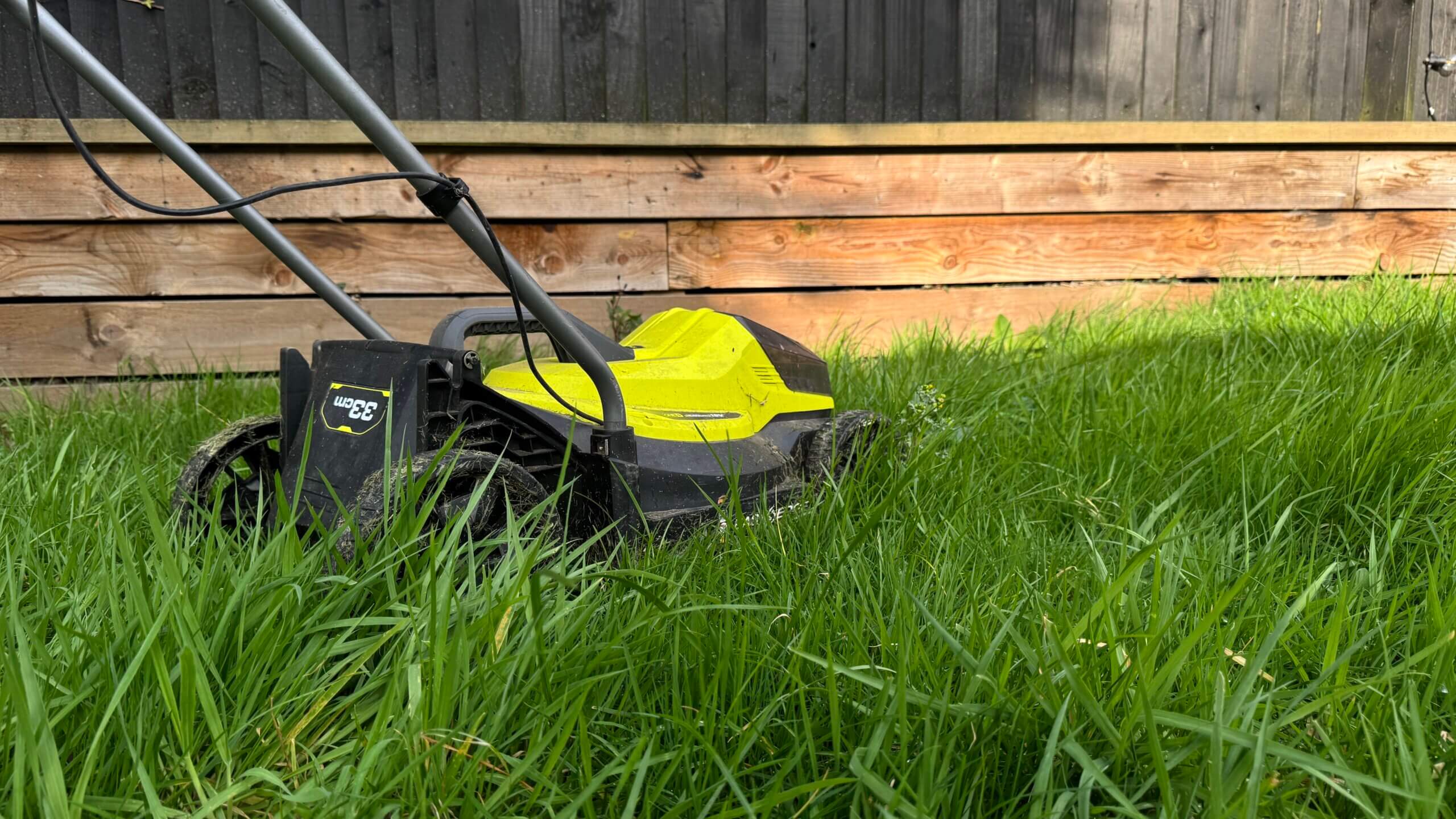
If July turns dry and the lawn starts looking a bit yellow and tired, try not to panic: grass is remarkably resilient and almost always bounces back when the rain returns.
Watering: get the technique right
If there’s one thing that matters most in July, it’s watering, and how you do it makes all the difference, for your lawn as much as anything else in the garden. A good, deep soak every few days is far better than a quick sprinkle every morning, which barely reaches the roots and leaves grass and plants stressed rather than satisfied. Water at dusk where you can, the cooler evening air means less evaporation, and the water has all night to soak down where it’s actually needed.
Mowing through dry spells
Raise your mower blade during dry spells. A slightly longer lawn holds moisture better and stays greener for longer. It’s a small adjustment that makes a noticeable difference to how well your lawn copes with the heat.
Feeding: timing is everything
Avoid feeding during a drought, as it can scorch the grass. Wait for a good rain or a cooler spell and then apply your feed. Any bare or worn patches can be overseeded in late July, ready for autumn recovery.
AVAILABLE IN STORE: Lawn feed, grass seed for repairs, weed & feed – we can advise on the right product for your lawn
It’s easy to treat the garden as a list of jobs, but July is also the month to actually sit in it. Make yourself a cup of tea, pull up a chair, and enjoy what you’ve created. Everything mentioned in this guide is available in store at St John’s Garden Centres, North Devon. Not sure what you need? Just ask; our team is here to help, and we love talking about gardens.