

After one of the driest summers on record, gardens across North Devon are looking a little worse for wear. Lawns have gone brown, borders have flagged, and a lot of plants have simply been focused on surviving rather than putting on a show. The good news is that September is the ideal month to turn things around. It’s your chance to support what’s still standing, tidy up where summer has taken its toll, and get the important groundwork done for the year ahead. Here are the jobs worth prioritising this month.
What Can You Sow in August?
Sow hardy biennials
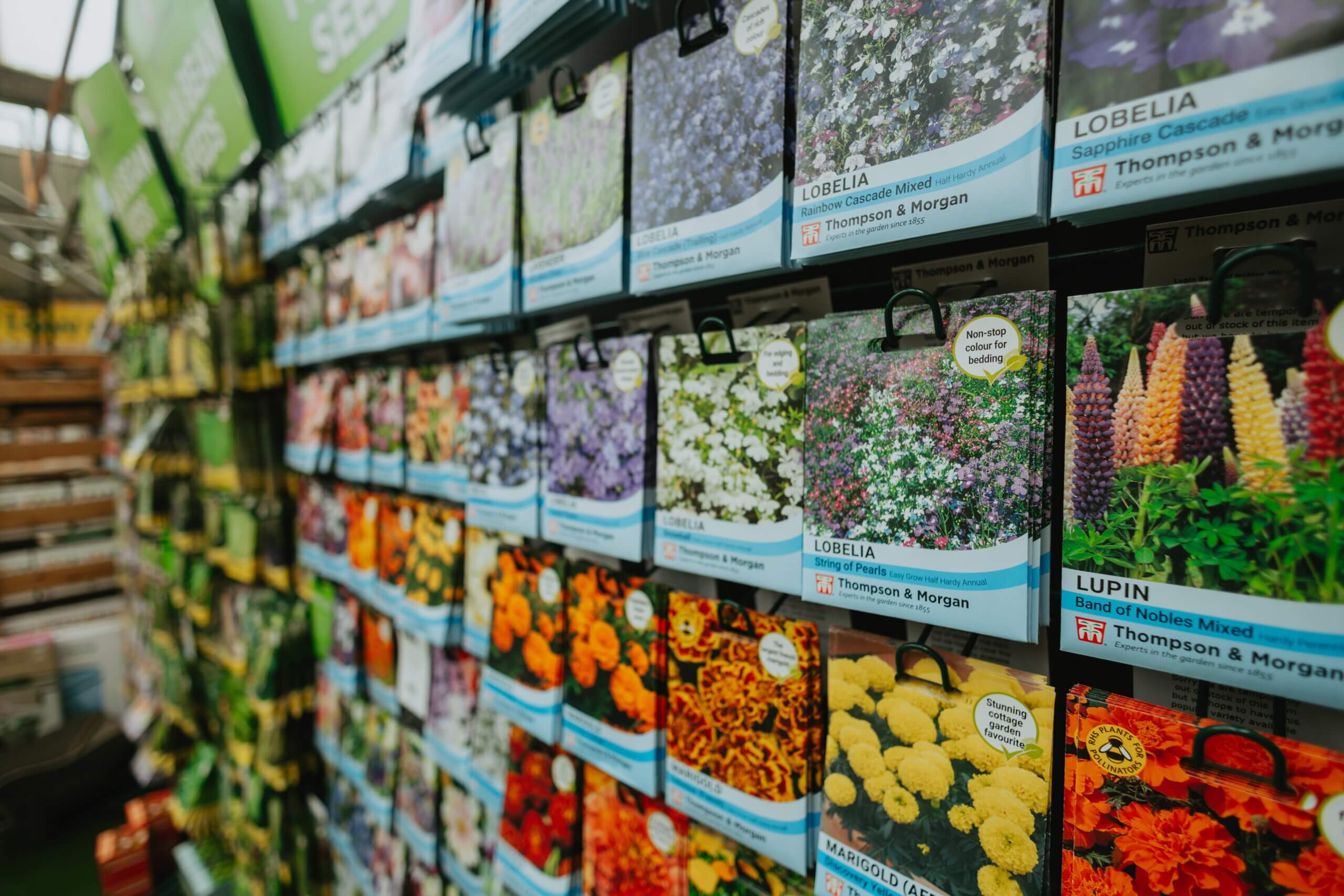
If you’d like a garden that bursts into colour early next year with very little effort, sowing biennials now is the secret. Biennials make their leafy growth this year, sit tight over winter, and then flower gloriously the following spring and summer. Wallflowers, foxgloves, sweet William, honesty, forget-me-nots and Canterbury bells can all go in now, either into trays or straight into a spare patch of ground.
Sow thinly, keep them watered while they get going, and prick them out or move them to their flowering positions once they’re big enough to handle. It’s an inexpensive way to fill your borders next year, and after a summer that’s left a lot of gaps, it’s well worth doing now while there’s still warmth in the soil.
Saving seeds
September is prime seed-saving season, and it’s one of the most cost-effective jobs you can do all year. Wait for a warm, dry day and snip off the seed heads of anything that’s finished flowering. Poppies, nigella, aquilegia, cosmos, sweet peas and calendula are all reliable, easy plants to start with. Pop the heads into paper bags or envelopes, give them a few weeks somewhere dry and airy to finish ripening, then clean away the chaff and store the seed in labelled paper envelopes somewhere cool and dark.
Top tip: seed saved from open-pollinated plants will come true to the parent, whereas seed from F1 hybrids often won’t, so you may get a surprise. That’s part of the fun, but it’s worth bearing in mind if you’re hoping for an exact repeat. Do remember to write the name and the date on every envelope, because next March all those little brown seeds look remarkably similar.
AVAILABLE IN STORE: paper seed envelopes, storage tins and labels to keep your collection tidy and ready for spring.
How To Keep the Display Going
Keep deadheading
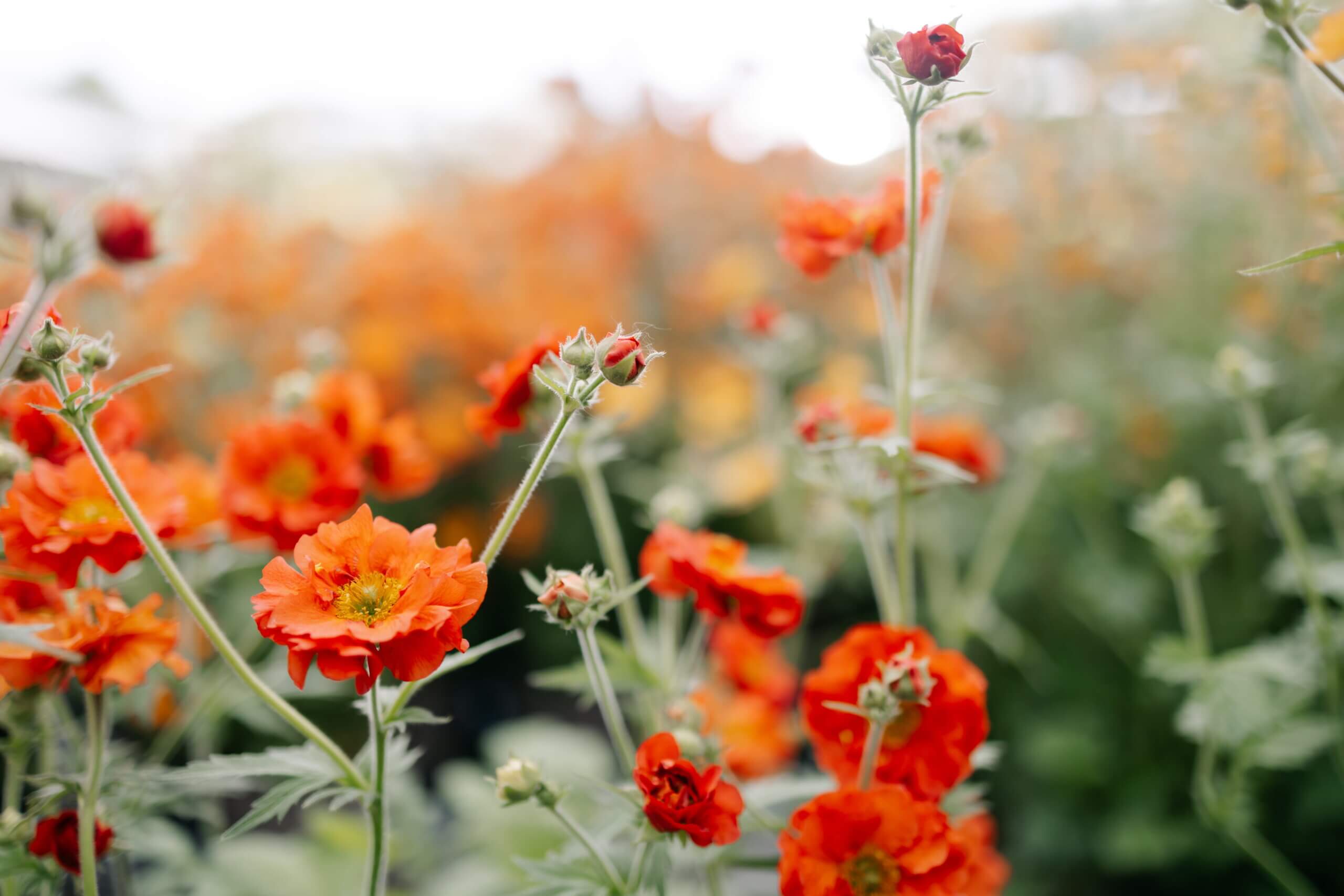
Deadheading is still one of the most worthwhile ten minutes you can spend in the garden this month. By snipping off spent blooms on dahlias, roses, cosmos, rudbeckia and repeat-flowering perennials, you’re telling the plant to keep producing rather than settling down to set seed. Done regularly, it can carry the colour right through until the first frosts, which in many gardens is still a good few weeks away. The exception, of course, is anything you’re leaving for seed heads or for the birds, so do be selective and enjoy the balance of tidying some and leaving others.
Support what’s still standing
The autumn winds have a habit of arriving just as your tallest, most top-heavy plants are at their peak. Dahlias, late-flowering perennials, asters and anything that’s grown tall and lush over summer can all be flattened in a single blustery night if they’re left to fend for themselves. Take a walk round with some stakes, canes and soft twine and give the vulnerable ones a bit of discreet support now. A few minutes of staking is far easier than trying to rescue a snapped stem after the event, and it keeps the borders looking their best for longer.
Plan for the Seasons Ahead
Plant shrubs for autumn and winter colour
Autumn is the very best time to plant shrubs. The soil is still warm from summer but the air has cooled, so roots settle in beautifully with far less watering than a spring planting demands. It’s also the perfect moment to fill those gaps that look a little flat once the summer flowers fade.
For colour that carries you right through the coldest months, it’s hard to beat cornus (dogwood) with its fiery red and orange winter stems, the jewel-like purple berries of callicarpa, or the glossy foliage and scented winter flowers of sarcococca and mahonia. Viburnum, cotoneaster and pyracantha earn their place too, offering berries the birds adore and structure when everything else has gone to sleep. Plant into well-prepared soil, water in well, and mulch around the base to lock in moisture and keep the roots cosy.
AVAILABLE IN STORE: a lovely selection of autumn and winter interest shrubs, plus bone meal and mulch to help them establish.
Get your spring bulbs in
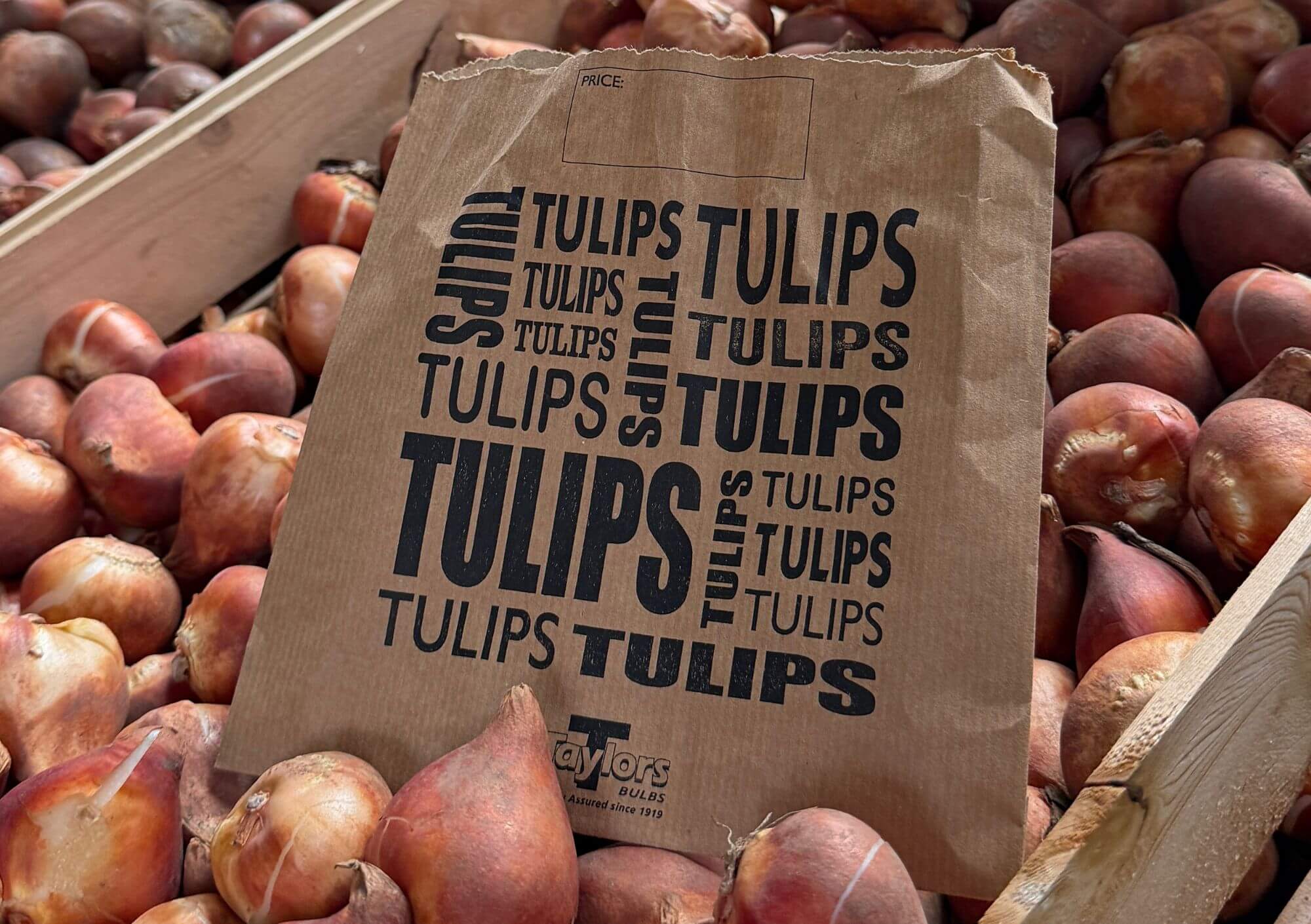
Planting spring bulbs now is one of the most rewarding jobs on the September list, and it’s exactly the right time to begin. Daffodils, crocus, alliums and hyacinths can all go in from now through October, so the sooner you make a start the better. A good rule of thumb is to plant each bulb at roughly three times its own height deep, with the pointed end facing upwards, in a spot with decent drainage.
Tulips are the one exception, and they prefer to wait. Holding off until November helps guard against tulip fire, a fungal disease that thrives in warmer soil, so pop those bulbs somewhere cool and dry for now and get to them a little later. For a really natural look, scatter your bulbs by the handful and plant them where they fall rather than in stiff rows, and think about layering different varieties in pots for a long, overlapping display.
AVAILABLE IN STORE: top-quality spring bulbs, bulb planters and pots to help you create your best spring yet.
Supporting Garden Wildlife in September
As autumn approaches, the priority for garden wildlife shifts from surviving the summer heat to preparing for the cold months ahead. After a dry summer, food and water are still in short supply, and creatures like hedgehogs are busy building up the reserves they need to see them through winter. A little help from you now makes a real difference.
Help hedgehogs prepare for winter
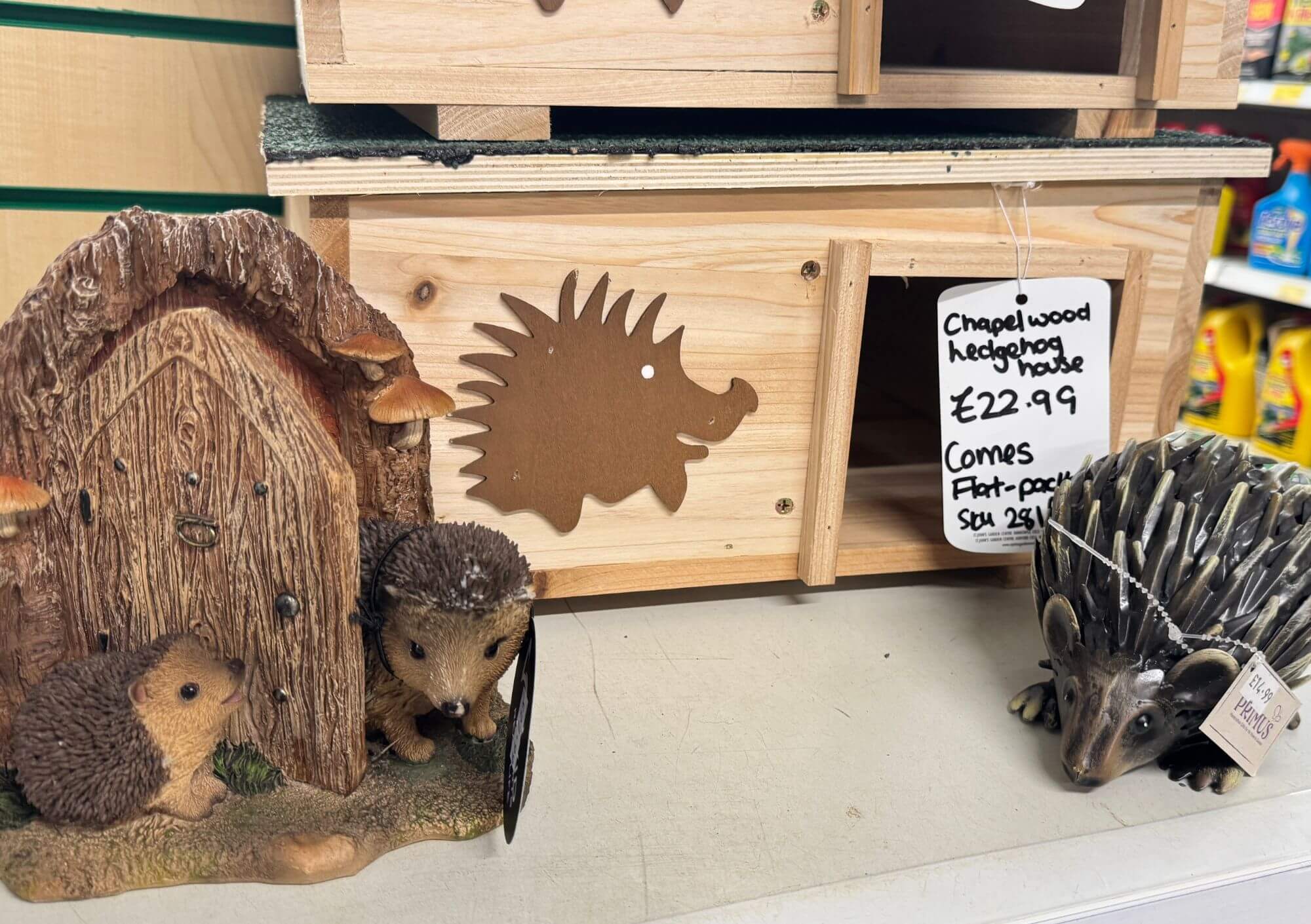
Hedgehogs are feeding hard at this time of year, putting on the weight they need before hibernation. You can lend a hand by putting out a shallow dish of meaty cat or dog food (never bread or milk, which upsets their stomachs) alongside a bowl of fresh water. Leave a pile of logs or fallen leaves undisturbed in a quiet corner too, as it makes an ideal hibernation shelter. And always check carefully before strimming long grass or lighting a bonfire.
Keep food and water topped up
With natural food still scarce after the dry summer, garden feeders become increasingly important as we head into autumn, so keep them clean and well stocked. A shallow dish of fresh water, topped up daily, matters just as much now as it did in the heat. Add a few pebbles or stones so bees and other insects have somewhere safe to land and drink.
Leave the seed heads and the mess
It’s tempting to cut everything back for a tidy autumn garden, but a little untidiness is a real gift to wildlife. Seed heads on rudbeckia, echinacea, teasels and sunflowers are a valuable food source for goldfinches and other birds well into autumn, while piles of leaves, hollow stems and log piles give insects and small mammals somewhere to shelter as temperatures drop. Leave what you can — it looks characterful and does a world of good.
AVAILABLE IN STORE: hedgehog food and houses, bird feeders and seed, wildlife water dishes and nesting materials — everything you need to help your garden support nature into winter.
It’s been a tough summer for gardens, but September is the month to put things right. The jobs here aren’t difficult or urgent, but they make a real difference: support the plants that have come through, save what seed you can, and get your bulbs, biennials and shrubs in while the soil is still warm. Do them now and you’ll head into next year with a garden that’s in far better shape.
Whatever’s on your list this month, pop in and see us. Our team can help you choose the right bulbs, shrubs and seeds for your garden, and point you towards anything you need to get established plants through the winter.